-
Introducing: 24 Questions to Save the World.

What if the Earth could ask us its most pressing questions? What would it say about how we live, the choices we make, and the future we leave behind? WWF say: ‘We are what we leave behind.’ That’s the idea behind 24 Questions to Save the World. In the movies, the hero gets 24 hours
-
Some lovely news to share…
We’ve just opened up part of our Naturespace project to a local CIC — Daniel’s Kitchen CIC — and I couldn’t be happier about it. This partnership means we’re not just talking about doing good in the community… we’re actually doing it. Together, we’re creating a space where people can grow food, connect with nature,
-
Climate Change is Rewriting the Rules of Bird Breeding – Are We Paying Attention?
As spring arrives, birds across the world are getting on with the business of nesting, mating, and raising their young. It’s a rhythm as old as time, dictated by the seasons, food availability, and instinct. But new research suggests that climate change is throwing nature’s finely tuned calendar out of sync – and birds are
-
Leadership, Leverage and the Burden of Power
Decision-making is at the heart of leadership – how power is used, how influence is wielded, and what happens when one has all the leverage. History, politics and business are full of instances where leaders with power have to make a choice: do they use their authority to create deeper relationships, or do they use
-
Q13: If Nature Were a Business, Would It Be Bankrupt?

Imagine if nature were a business, a global enterprise providing essentials like clean air, fresh water and fertile soil. Every human is a shareholder, relying on its assets for survival and prosperity. Let’s examine the balance sheet: Source: WWF Living Planet Report 2024 Perhaps you think, “That’s unfortunate, but it’s happening elsewhere in the world.”
-
Q13: How Do We Stay on Course When Politics Knocks Us Off?

Picture this: You’re on a flight from London to New York. The pilots have a clear destination, but they spend most of the journey off course. Winds push the plane sideways, turbulence forces adjustments, air traffic control redirects them. Yet, despite all this, the plane still lands where it’s meant to – New York. The
-
‘Straw Wars’: The Distraction We Keep Falling For.

Paper or plastic? The debate rages on. The White House’s decision to scrap paper straws in favour of plastic is making headlines. The administration argues that paper straws are weak, expensive and potentially harmful. Critics counter that bringing back plastic straws ignores the bigger environmental crisis. But here’s the real question: Why are we still
-
Q12: What Can We Learn from Termites About Sustainable Living?
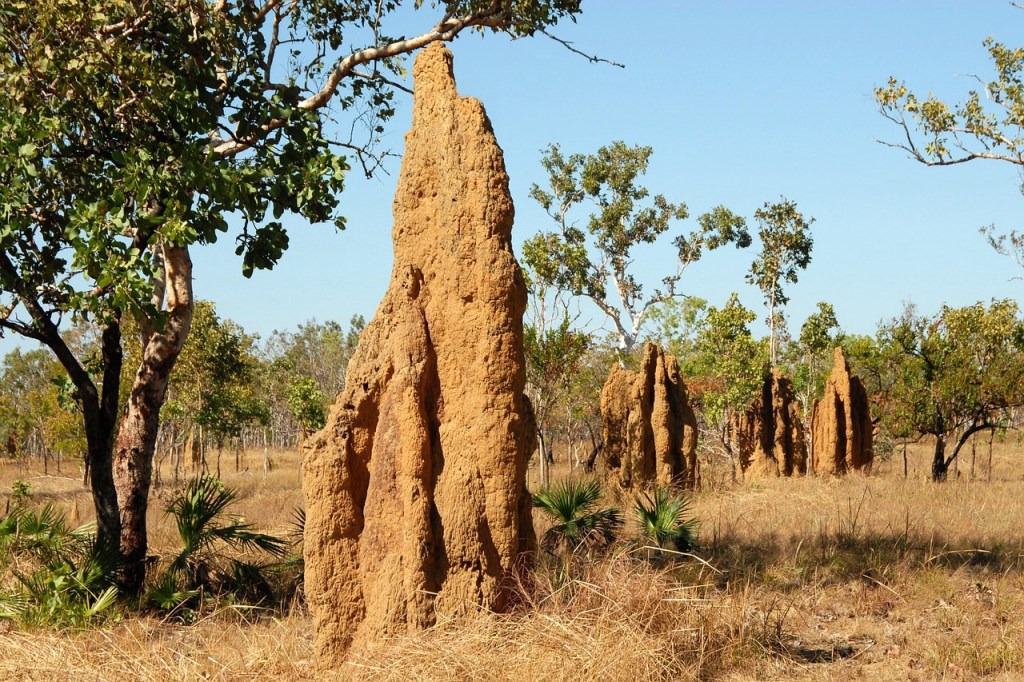
Two species. Two ways of living. One clear winner. Species A: Builds towering cities with built-in climate control. Uses only what’s needed – no waste, no excess. Thrives in some of the harshest environments on Earth. Works together to ensure survival, balancing growth with long-term stability. Species B: Bulldozes forests to build sprawling, resource-hungry cities.
-
Does Nature Need Its Own MI5 & MI6?

We protect economies with financial watchdogs. We protect national security with intelligence agencies. We track cyber threats with dedicated teams of experts. So why don’t we have an intelligence agency dedicated to protecting nature? It’s not as far-fetched as it sounds. Conservation Without Borders recently floated the idea of a Biodiversity Intelligence Agency – an
-
Q11: Why Do We View Environmental Issues as ‘Somebody Else’s Problem’ and pop out for popcorn?

Imagine this: You’re in a packed cinema. Halfway through the film, smoke starts curling up from the carpet. A handful of people notice, but they don’t move. They assume someone else will sound the alarm. Meanwhile, the fire spreads. Some people pretend they don’t see it, hoping it’s not their responsibility. Others rationalise – Surely
-
The 2025 BCG (British Chelonia Group) Spring Symposium.
A tortoise (and terrapin and sea-turtle) day in Cambridge, Sunday 2nd March. All welcome! The 2025 BCG (British Chelonia Group) Spring Symposium will take place on Sunday 2nd March at Homerton College, Cambridge – see attached poster and: http://www.britishcheloniagroup.org.uk/events/spring-symposium-2025 The day promises, as always, to be both educational and fun, with lots of interesting people attending and
-
Q10: How Do We Balance Economic Growth with Ecological Stewardship?

Imagine an egg delicately balanced between two forks. Lean too far one way, and it tumbles. Too much pressure from either side, and it cracks. That’s where we are with economic growth and ecological stewardship – walking a fine line between progress and scrambled eggs. For decades, we’ve been told that economic success and environmental
-
Q9: Can Progress Exist Without Destroying the Planet?
Progress should be a word we associate with innovation and human growth. A promise of a better future for people and the planet. Too often, progress comes with unexpected consequences – it has a rattle in its tail! (Maybe it’s those two “s’s” together that make it so). The usual victims? The easy-to-exploit – people,
-
Q8: What Would It Take for Us to Truly ‘Value’ Nature?
What Would It Take for Us to Truly ‘Value’ Nature? Not ‘admire’ or ‘like’ – but truly value. This tree, this hill, the sky, the sea. Can we see their value the way a CEO sees value on a balance sheet? When’s the last time you heard someone say, “You know what… nature is valuable”?
-
Q7: Why Does It Feel Like Our Efforts Aren’t Enough?
We play by the rules. We separate our rubbish, recycling what we can. We try to buy efficient cars and maybe stretch our finances to buy electric vehicles. Because we’re told it’s the right choice for the planet. Most of the time, we’re on our best behaviour. Okay, we slip up occasionally. Maybe we forget
-
Chasing the Northern Lights with AuroraWatch UK
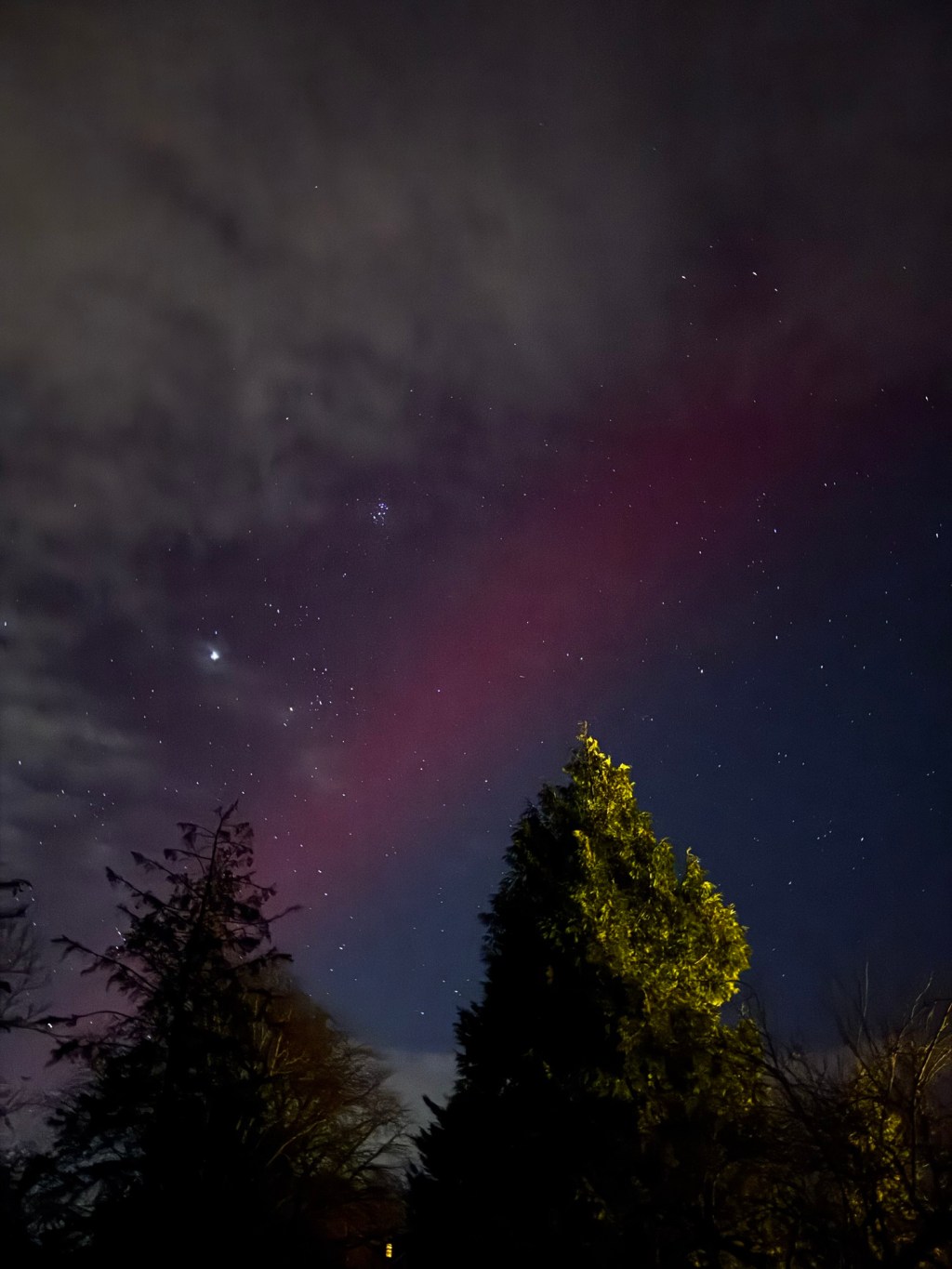
Hi, I’m Simon’s daughter Lucy, and I’ve been exploring the magic of the night sky with AuroraWatch UK. This amazing tool sends alerts when the aurora might be visible, making it easy to catch nature’s light show – even from here in the UK. I’ve taken a few photos during recent aurora alerts and wanted
-
Q6: What Comforts You About Nature’s Resilience?
Year after year, the seasons turn. Forests regrow after fires – if industry doesn’t claim the space first. Rivers carve new paths when blocked by development. That doesn’t end well for homeowners, but nature finds its way. Life adapts and evolves, often in ways that surprise and inspire us. There’s comfort in nature’s resilience. Just
-
Q5: What Scares You Most About the Changes You See in the World?
The world is always changing – that much we know. But lately, the pace of change feels relentless. Faster. Less predictable. More unforgiving. So, what scares you most about what’s happening in the world? Can you put your finger on it? Is it the rise of AI and its unknown impact? The loss of wildlife
-
Podcast: From Ice Warrior to Global Warrior: A Conversation with Jim McNeill

Latest Naturespace podcast session. What does it take to survive in the world’s harshest environments? And what lessons can we learn from someone who has dedicated his life to understanding and protecting our planet? In the latest Naturespace with Haith’s podcast, I (Simon King) sit down with polar explorer Jim McNeill. He is a man
-
Q4: Why Do We Wait for Disasters Before We Care?
Some people dedicate their lives to protecting the planet. The rest of us? We’re busy ignoring it. Out of sight, out of mind – until disaster barges in, uninvited. And when it does – we are shocked, surprised. ‘How could this happen? Why didn’t anyone do anything?’ we ask. Deep down, we know the warning
-
Military Land – A Conservation Success. By Graham Wellstead.
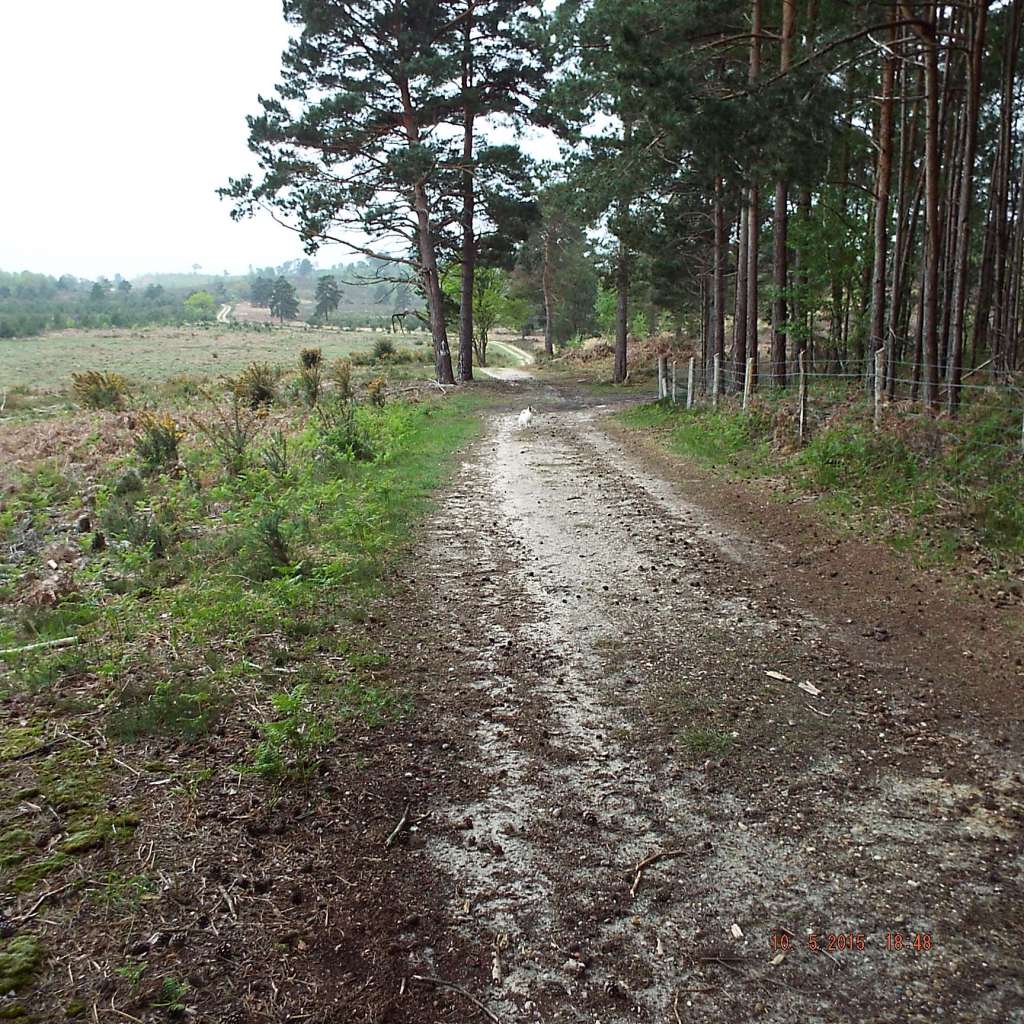
Introduction: When we think of military land, conservation isn’t often the first thing that comes to mind. Yet, as Graham Wellstead highlights in this fascinating guest post, the UK’s military-owned land has become an unexpected sanctuary for wildlife. Spanning 600,000 acres, much of this land has remained untouched for over a century, offering a haven
-
Exciting Podcast News!

I interviewed Jim McNeill yesterday. He is one of the world’s most experienced explorers. Jim is the visionary behind the Ice Warrior and Global Warrior initiatives. The interview is for the Naturespace with Haith’s #podcast. We discussed his latest project, Ocean Warrior. It is a 10-year mission to protect our oceans through cutting-edge research. The
-
Q3. What Happens When We Treat the Planet as Disposable?
Our world is one of convenience. Use it, bin it, move on. Fast fashion. Single-use plastics. Endless consumption. Just spend five minutes at a rubbish tip and watch what gets thrown away. This can’t end well, can it? Here’s the thing: the planet isn’t disposable, and its resources aren’t infinite. We contribute to the problem…
-
Q2. What Does It Mean to ‘Belong’ to the Earth?
Rather than belong, we prefer to be in charge. We’re the apex predator – the masters of the planet. Of the universe! We own land. Build castles. Mark out borders. This is mine. Stay away! It’s tomfoolery, really. Because the truth is, the Earth does not belong to us – we belong to it. And
-
Q1. What Does the Earth Give You That You Cannot Live Without?
It’s a long list. When was the last time you stopped to think about the miracle of life? We breathe. We drink. We eat. We’re on autopilot. After those early science lessons fade from memory, we rarely question where it all comes from. The Earth is the provider of everything we depend on. There’s no
-
We’re All Canaries in the Coal Mine: The Truth About Nature’s Decline.

The most profound truth about climate change and nature’s decline is this: our survival and the planet’s are inseparable. Yet, humanity often acts as though we are separate from nature. We behave as if we are above it, beyond it, or even exempt from its rules. This illusion is the root of the crisis. For
-
Did You Know Britain’s Birds Are Disappearing?

Featuring recent findings* on wild bird populations and actionable steps towards reversing their decline. Birdsong, once the soundscape of the British countryside, is (as Rachel Carson predicted in her book Silent Spring) fading. Recent data on wild bird populations in the UK paints a picture of a species under strain. Birds are affected from farmland
-
Podcast: Simon King interviews world-renowned wildlife photographer, Tom Svensson who reveals his undercover past…

From Photographer to Undercover Agent. In a shocking revelation, Tom Svensson shares that his career as a wildlife photographer was originally a cover. He used it for his covert work tracking the blood money behind illegal wildlife crime. Working undercover, Tom faced life-threatening situations, including being kidnapped by those seeking to exploit endangered species for
-
Learning to Let the Leaves Lie

A Lesson from Martin Woods, Former Head Gardener to the Royal Family As autumn rolls in and our gardens fill with leaves, the urge to tidy up kicks in. This year, I’m holding back on the rake. My decision was inspired by a recent chat with Martin Woods. He is the former Head Gardener to
-
Trump and Musk: A ‘Duel Fuel’ Tug-of-War for the Planet?

Where do I start… Well… with Trump set for another term as US president, we may be entering a new phase in environmental policy – one focused on fossil fuels and traditional industry. Meanwhile, Elon Musk (Trump’s new ‘star man’) continues to champion renewable energy and sustainable innovation, presenting a compelling counterforce. This dual influence
-
Shrinking Biodiversity: The Impact of Human Actions on Wildlife.

Recent reports paint a stark picture of the challenges our planet’s wildlife faces today. The World Wildlife Fund’s Living Planet Report 2024 sounds a chilling alarm: there has been a catastrophic 73% decline in monitored wildlife populations over the past 50 years. Freshwater species have been hit even harder, facing a staggering 85% decline. This
-
Invite: On-line webinar – 10th October…

Dear FFON readers and colleagues We hope you are all well. We are delivering an on-line webinar on 10th October (at 18.00 hours (6.00 pm) British Summer Time) about our work in East Africa for the organisation Leadership for Conservation in Africa (LCA) and we invite you to join us. It’s very much a personal, historical, account of our relationship with
-
Tortoises, Terrapins, Turtles and Temperature Changes.

The British Chelonia Group Spring Symposium in Cambridge, 9th-10th March 2024. Report by Margaret and John Cooper. The British Chelonia Group Spring Symposium, held in Cambridge on 9th-10th March 2024, was a landmark event that united experts and enthusiasts in a comprehensive discussion on the impacts of temperature changes on tortoises, terrapins, and turtles. This report encapsulates a
-
Wolves in the UK. Do we want them or need them?

By Graham Wellstead. In his thought-provoking piece, Graham Wellstead gets his teeth into the question of whether wolves should be reintroduced to the UK. Reflecting on historical accounts and personal experiences, Graham navigates the complexities surrounding this debate. He highlights the ecological and societal considerations, urging readers to ponder the implications of coexisting with these
-
BADGER TROUBLES

By Graham Wellstead. Understanding Badgers: Conservation Efforts and Controversies Introduction: In this blog post, FFON contributor Graham Wellstead shares his personal experiences and insights into the complex relationship between badgers, one of our native wildlife’s most iconic creatures, and human society. Drawing from years of observation and a deep-seated respect for nature, Graham discusses the
-
Beyond Bees: The Unsung Heroes of Pollination.

A letter from Dafydd Lewis published in the Amateur Entomologists’ Society. Introduction for FFON by Simon H King FLS: While bees often capture the limelight in discussions about pollination, their stage is shared with unsung heroes that operate under the cloak of night. This guest post by Dafydd Lewis shines a spotlight on moths, the
-
Bridging the Gap: From Government Pledges to Global Biodiversity Recovery

We live in a world grappling with environmental challenges, where every action (even the well intended ones) have an equal and opposite reaction. No wonder nature’s on the back foot. Credit where it’s due, though, the UK government’s latest conservation measures (see https://www.gov.uk/government/news/nature-recovery-to-be-accelerated-as-the-government-delivers-on-measures-to-protect-land-and-sea ) present a slither of hope. These initiatives, aimed at accelerating nature
-
To Bee Or Not To Bee

The importance of bees in our Countryside. By Graham Wellstead. It is often quite difficult to quantify the number and range of insect species which currently live, but may not necessarily thrive, in the UK. With the loss of habitat, and urbanisation, we should not be surprised to learn many small things have gone extinct
-
Renewables on the Menu: A Promising Future for UK-Kosovo Energy Collaboration

By Simon King FLS In a world increasingly conscious of environmental sustainability, the focus on renewable energy has never been more pertinent. As an #ExportChampion, I recently had the privilege of attending a dinner hosted by Martin Vickers MP, the UK’s Western Balkans trade envoy. This event, graced by the presence of the Kosovan Ambassador,
-
The Canoe River Cleaner – It’s About the Flow

By John Ashbrook for FFON. Dear FFON Readers, It’s Simon King here, delighted to share with you a heartening tale of environmental stewardship from our very own shores. In this feature, we meet James Elliott, affectionately known as “The Canoe River Cleaner” of Grimsby’s River Freshney. James’s story (crafted by writer John Ashbrook for FFON)
-
Crafting an AI in Conservation Charter: Steering Technology for Nature’s Sake

Marrying Innovation with Stewardship In the world of conservation, Artificial Intelligence (AI) stands out as a much-needed beacon of innovation. Yet, as guardians of the natural world, we bear the responsibility to harness this power wisely. With so much at stake, for the sake of good order, it makes sense to – at the very
-
Part 5: Embracing AI in Conservation – A Forward-Thinking Approach

As we bring this AI series to a close, it’s intriguing to ponder over AI’s alignment with Maxwell Knight’s lifelong dedication to nature. Knight, an illustrious naturalist and former MI5 spy-handler, devoted his life to the study and conservation of the natural world. His pioneering methods in observational research set a standard in environmental study
-
Part 3: AI for Ecosystem Balance – Tracking Nature’s Intricate Web

In this third part of our series, we delve into the dual-edged sword of Artificial Intelligence (AI) in ecosystem management. AI’s application in this field is akin to assembling a complex ecological jigsaw, a task Maxwell Knight, a pioneer in nature conservation, might have found captivating. Let me tell you why… AI: The Modern Nature
-
Part 4: AI in Biodiversity Conservation – A Digital Legacy of Detailed Cataloguing

Picture this: a world where the intricate tapestry of biodiversity is not just observed, but deeply understood and meticulously catalogued with the help of AI. That’s the evolving realm of biodiversity conservation today. AI is playing a game-changing role, not just in identifying and cataloguing species, but in piecing together their roles in ecosystems. It’s
-
The Little Stinker! Polecats in the UK in Need of a Helping Hand.

Breed and Release – did it work? By Graham Wellstead. There are today many creatures in the UK, and indeed, World Wide, that are in need of a concentrated scheme dedicated to try and reverse their decline. As a private individual I have done my best with the use of my time and money (unsupported)
-
A Step Backwards for Bee Conservation: The Reauthorisation of a Harmful Pesticide.

The UK Government’s approval of the ’emergency’ use of Thiamethoxam, a harmful neonicotinoid pesticide, has raised serious concerns within the conservation community. This decision not only threatens bee populations and ecosystems but also underscores the urgent need for sustainable agricultural practices. Environmental groups are advocating for nature-positive pest management solutions to safeguard the planet’s health.
-
Part 1: AI in Wildlife Monitoring – Echoes of Knight’s Observational Expertise?

“#artificialintelligence (#AI) – Forget driverless cars for a moment, the future of #wildlife conservation could benefit greatly from embracing AI as a tool, provided it is used judiciously and in conjunction with traditional #conservation methods and fieldcraft. This balanced approach could lead to more effective conservation strategies, helping to protect and understand our natural world…” FFON Maxwell Knight’s legacy in
-
Blog Series Intro: AI: The Modern-Day Nature Detective. Advancing Maxwell Knight’s Vision.

“Unveiling Nature’s Challenges, Inspiring Conservation’s Future.” FFON. Welcome to our exploratory (very much work in progress and up for debate) blog series, “AI: The Modern-Day Nature Detective – Advancing Maxwell Knight’s Vision.” This series is an exploration into the revolutionary world of Artificial Intelligence (AI) and its burgeoning role in nature conservation, a field that
-
Listen to Podcasts? Here’s one to download: Naturespace with Haith’s featuring FFON’s Simon King FLS.

Visit: https://chartable.com/podcasts/naturespace-with-haiths/episodes Or search Naturespace with Haith’s wherever you get your podcasts. Latest podcasts: E15 : Embracing the Wild: A Sea Kayaking Adventure with Nick Ray Dive into the heart of adventure with the latest episode of Naturespace with Haith’s! In this captivating session, we’re thrilled to feature Nick Ray, the inspiring force behind Life
-
Maxwell Knight the Amateur Naturalist – Remembering a Lecture by Prof. John E. Cooper

Introduction In a compelling lecture at the Maxwell Knight Commemorative Symposium, Professor John E. Cooper delved into the captivating world of Maxwell Knight, known to many as a WW2 MI5 spymaster and agent handler, but equally significant (especially to John Cooper) as a pioneering amateur naturalist. Held on 24th November 2018 at Birkbeck College, London,
-
The Unsung Heroes of Pollination: Beyond the Bee

FFON EcoScribe. Just as a bee isn’t merely a bee, a pollinator isn’t just a bee either. In the vast orchestra of nature, there are numerous (200,000+ species) unsung heroes playing their part in the symphony of pollination – far too many to mention here, but let’s make a start… 1. Butterflies: The Colourful Wanderers
-
The Spy Who Loved Nature: Maxwell Knight’s Legacy Beyond MI5

Inspired by Simon King’s talk at The Maxwell Knight symposium. In the clandestine corridors of MI5, Maxwell Knight, the original ‘M’, was a living legend. His secret intelligence service prowess during the inter-war years and WWII is well-documented, with a flair for counter-subversion that helped infiltrate the British fascist movement and prevent Nazi sympathiser espionage
-
The Hedgehog Dilemma: A Spiky Issue to Grasp. Here’s the point…

FFON Eco Scribe Can we agree a hedgehog is more than just a charming garden visitor? I hope so. It’s a barometer of our environmental health and a silent guardian of our ecosystems. In the quiet of night, hedgehogs perform vital roles, largely unseen and often unacknowledged. They control insect populations, contributing to a balanced
-
Join the Big Garden Birdwatch 2024: Discover, Count and Conserve.

It’s time to turn our attention to one of the UK’s most engaging and important wildlife events – the Big Garden Birdwatch. Scheduled for 26-28 January 2024, this annual event offers a unique opportunity for bird enthusiasts and nature lovers alike to contribute to a nationwide effort in understanding and protecting our bird populations. What
-
Mystic Meg: A Tale of Peregrine Falcon Rescue

By Graham Wellstead. In 1994 I was called to the Isle of Sheppey on the Kent coast to recover a female Peregrine in trouble. She had been found filthy and starving, trying to kill a chicken. I gathered her up and returned home. She was not wearing Government issued ring, therefore was not traceable, and
-
Micro-conservation: Small Steps to Big Change

Every positive choice we make, every kind and considerate action we take, is a much needed ripple in the pond of our world. This is the heart of micro-conservation – the idea that our smallest habits can join together to create waves of nature-positive environmental change. You’ll already the kind of thing I’m talking about
-
The Bee Paradox

Can we agree a bee isn’t just a bee? It’s a signal. A signal that tells us about our health, our planet, and even our future. In their relative silence, bees are surprisingly loud. They’re telling us about the fragility of our ecosystem, about the delicate balance we’ve disrupted. And yet, we often choose not
-
The Girl, the Owl, the Deer and the River

In a world whispered by winds and sung by rivers, a young girl with curious eyes wandered through a forest of ancient trees. Each step was a question, each breath a wonder. One golden morning, she came across an owl, perched solemnly in an old oak tree. “Owl, why do you watch so quietly?” she
-
The Climate Crisis: Through Nature’s Eyes and Echoing Maxwell Knight.

In “The Climate Crisis: Through Nature’s Eyes and Echoing Maxwell Knight,” we examine the current climate crisis, drawing parallels with the early environmental warnings of Maxwell Knight. The post delves into the multifaceted nature of the climate emergency, including biodiversity loss and extreme weather events, as highlighted by the WWF Living Planet Report 2022. It…
-
COP28’s Climate Milestones:

The conclusion of COP28 heralds a pivotal moment in global climate action. As we dissect the agreements made, it becomes increasingly clear how these (appear to) align with the findings of the WWF State of Nature Report and the mission of FFON. COP28’s Commitment to Ending the Fossil Fuel Era: A landmark decision at COP28
-
Storm Henk Unleashes Havoc: A Closer Look at the UK’s Battle with Flooding

As the UK reels under the impact of Storm Henk, the first named storm of 2024, communities across the nation confront unprecedented flooding challenges. Following a series of winter storms, including Storm Gerrit in late December 2023, the UK’s landscapes were already saturated, setting the stage for Henk’s devastating effects. The heavy rainfall began in
-
A Sparrow’s Tale: The World Through a Sparrow’s Eyes.

I’m a House Sparrow – you might remember me from your garden or maybe from the park bench where you sat, lost in thought. I’ve been a part of your world for as long as you can remember, haven’t I? But have you noticed, there are fewer of us around these days? Let me share
-
Nature’s Alarm: The UK’s Biodiversity Crisis

‘The UK is now one of the most nature-depleted countries on Earth’ State of Nature 2023. The recent ‘State of Nature 2023’ report unveils a sobering reality: the UK is now one of the most nature-depleted countries on Earth. This stark revelation compels us to reflect on the environmental challenges we face and the urgent
-
A PERSONAL VIEW ON PREDATORS

By Graham Wellstead. Introduction: Join us as our guest contributor, Graham Wellstead, shares a captivating journey through a life enriched by encounters with nature. From early birdkeeping to close interactions with diverse wildlife, this narrative offers unique and personal insights into the complex relationships between humans and nature’s predators. Get ready to explore a world
-
Anyone for Eco Chess? The Ultimate Game Where You’re Playing to Save the Planet

Introduction: Welcome to Eco Chess, the game where every move determines the future of our planet. Unlike traditional chess, where the goal is to checkmate your opponent, in Eco Chess, each player’s objective is to make strategic decisions that benefit Earth’s health and sustainability. Let’s dive into the rules of this crucial game. The ‘Rules’
-
Happy New Year from all of us at FFON!

As we welcome 2024, we extend our warmest wishes to each and every one of our cherished readers. Your unwavering support and enthusiasm for ‘The Frightened Face of Nature’ (FFON) have been the driving force behind our mission. This year, we’re committed to making our blog a significant platform for environmental awareness and action. Together,
-
Top 10 Reasons Why We Don’t Fully Cherish Our Planet

Our planet offers us the sustenance and splendour of life. Yet, amidst the daily rush, the value of this precious orb often dims. Why do we hold back our admiration for Earth’s magnificence? Take its natural capital for granted? Let’s unwrap this mystery and rediscover our role as its custodians. Reason 1 – Economic Prioritisation:
-
Seeds of Tomorrow: The Rise of Urban Green Spaces in 2050

As we imagine our world in 2050, envisioning the future of our urban landscapes is crucial. In a time where concrete jungles have often overshadowed green spaces, a new era is emerging – one where nature and city life intertwine harmoniously. “Seeds of Tomorrow” explores this transformative journey towards greener, more sustainable cities. The Evolution
-
Fork in the Road: Envisioning Earth’s Future in 2050

“Fork in the Road: Envisioning Earth’s Future in 2050” presents two divergent global scenarios (blogs) for the year 2050, each illustrating the profound impact of our environmental choices. These scenarios are not just about London but serve as a microcosm for the world at large. The first scenario paints a grim picture of a planet
-
The Heart of Our Oceans: Preserving Marine Biodiversity

Today, let’s embark on an aquatic odyssey to explore and protect our vast, pulsating oceans. These mysterious blue realms, brimming with a symphony of life, are Earth’s lifeblood, yet they stand at a critical juncture due to human influence. 1. The Oceans’ Diverse Tapestry: Covering over 70% of Earth’s surface, our oceans are home to
-
Simple Steps Towards a Greener Tomorrow

Hello, friends! Today, we’re jumping into how each of us can contribute to a brighter, more sustainable future. As we sip our morning cuppa and Boxing Day behind us, let’s ponder some easy yet powerful actions, buoyed by the inspiring work of various UK organisations dedicated to nurturing our planet. 1. Reject Single-Use Plastics: Embrace
-
Triumphs in Conservation: Stories of Hope and Renewal

In the midst of pressing environmental challenges, it’s crucial to remember that positive change is not just possible, but happening. Today, we shine a light on the inspiring conservation success stories from around the globe – tales of resilience, renewal, and hope. The Return of the Bald Eagle: The bald eagle’s recovery is a celebrated
-
Maxwell Knight: A Visionary in Environmental Protection

Today, we delve into the fascinating world of Maxwell Knight – an unsung hero in the history of environmental conservation. Known predominantly for his enigmatic role in MI5 and as the inspiration for Ian Fleming’s “M”, Knight’s true passion lay in the quiet, observant world of natural history. Born in the early 20th century, a
-
Echoes of the Past: Learning Conservation from Maxwell Knight

What can a spy teach us about nature? In the echoes of history, we often find timeless wisdom. This is particularly true when we revisit the legacy of Maxwell Knight OBE, the legendary ‘Nature Detective’ and MI5 spymaster. Knight, a figure who intriguingly straddled the worlds of espionage and natural history, left behind a legacy
-
ARTIFICIAL INTELLIGENCE

AI Key Takeaways from the Musk-Sunak Dialogue at Lancaster House. AI’s reach is beyond anything we can possibly grasp, which is why I (Simon King) feel it’s important to create discussions about AI and how it can be used for the greater good. If you missed the Musk-Sunak coverage on TV, here’s a brief summary
-
The Camberley Natural History Society (CNHS)

Memories of the Camberley Natural History Society By John E Cooper It was on 1st December 2022, in a message from Dr Pat Morris, that my wife Margaret and I learned with sadness that there was to be an Extraordinary General Meeting (EGM) of the Camberley Natural History Society (CNHS) on 16th January 2023. The
-
Report on Cooper visit to Kenya, March-April 2023

Introduction We flew back from Kenya, East Africa, on Tuesday 18th April after a seventeen-day visit together, Kenya is, of course, our “nyumba ya pili” (second home), in which our children were born in the 1970s and where we have spent happy years together. We had a very good time and were able to catch
-
New podcast from Naturespace with Haith’s and Simon King: Paul Rose – explorer, polar expert and broadcaster.
Paul Rose’s journey from a Romford council flat to Base Commander of Rothera Research Station, Antarctica, for the British Antarctic Survey for ten years and being awarded HM The Queen’s Polar Medal is an inspirational one, which he happily shares with young explorers in his role as Expedition Leader, National Geographic Pristine Seas. Not every
-
London Zoo. The old Reptile House

Recollections and requiem; a farewell visit to the London Zoo Reptile House John and Margaret Cooper Many readers will have visited the Reptile House at the London Zoo. Designed by Joan Beauchamp Procter and Sir Edward Guy Dawber, it was opened in 1928 and for decades provided both a home for, and an insight into,
-
Nature and Autism
Originally posted on Autistic Civil Servant: It’s well known that a love of animals and the natural world often go together with autism – many of the most famous autistics have made their careers working with animals from Temple Grandin, through Chris Packham to Dara McAnulty. My friend Simon King FLS was kind enough to…
-
Podcast: The connection between nature and autism
Brought to you by the “Naturespace with Haith’s” podcast team and guest – Dr Helen Jeffries (who is also a contributor to the FFON blog). You can watch and listen to the podcast – Helen will explain why that’s important to people with autism. If you’d rather download the podcast, you can do so via:
-
NEW Podcast for nature detectives: Naturespace with Haith’s.

Download the podcast at https://anchor.fm/haiths or search Naturespace with Haith’s on your favourite podcast platform. Nature affects everything – our economy, social framework, health and existence. The natural world is infinite: the animals, rivers & oceans, the food we eat, the rainwater irrigating crops and the air we breathe. Nature is struggling; there is no
-
VISIT TO KENYA, September-October 2022

By John E Cooper 12th October 2022 I returned on Friday, 8th October from my visit to Kenya. Margaret and I were last in East Africa two-and-a-half years’ ago, just before the SARS- CoV- 2 (“Covid-19”) pandemic and lockdown. For much of my “safari” in Kenya I was accompanied by our friend and colleague Professor Charles
-
Hummus in Space

By Dr Valerie Jeffries FLS Undeterred by the loss of astronaut tardigrades spilt on the Moon when their 2019 Beresheet spacecraft crashed, the same team has switched to edible plants, with their Space Hummus Experiment. The basis of Hummus, a delicious internationally popular and highly nourishing food, is the Chickpea. Chickpeas come from the Middle
-
Nothin’ Fancy
by Susan Underkoffler Experiencing nature doesn’t have to be extravagant or involved or even planned; it doesn’t have to involve packing bags and gathering the “right” clothing or driving hours away to a huge nature reserve or forest. It needn’t involve anything but time and curiosity, really. The smallest of excursions outdoors can result in
-
Cautionary Tales by Valerie Jeffries

Pandemic Errors NATURE QUOTE OF THE DAY Monday 4th Oct 2021 (Unattributed) from Nature magazine: “Droplets and surfaces are very convenient for people in power — all of the responsibility is on the individual. On the other hand, if you admit it is airborne, institutions, governments and companies have to do something.” Units, droplets, and
-
The Earthshot Prize

I’ve just been listening to Prince William talking about the Earthshot Prize – it sounds certain to be ‘the most ambitious and prestigious of its kind – designed to incentivise change and help to repair our planet over the next ten years.’ – https://earthshotprize.org The Earthshot Prize is ‘taking inspiration from President John F. Kennedy’s
-
Maxwell Knight: Nature detective, MI5 agent, and supporter of the veterinary profession.

To coincide with James Bond returning to the screen in what will be Daniel Craig’s final outing as 007 with the eagerly-awaited ‘No Time To Die’, we’d like to share a piece published in the careers section of the Vet Record (25th September 2021) highlighting that Maxwell Knight was an enthusiastic supporter of the veterinary
-
Part 3: Primitive and Complex (and crème brûlée)

By Dr Valerie Jeffries FLS. Exploration of the Solar System looking for evidence of habitability is about ‘primitive life’, with no expectation of anything beyond tiny bacterial-style cells, possibly with viruses. Single-celled life forms ruled Earth for 1.5 billion years before the evolution of bigger modern cells, and in terms of total biomass they still
-
Part 2: Promising planets, Dry worlds, and Water-bears

By Dr Valerie Jeffries FLS Language of Life The term ‘Earthlife’ acknowledges that all life we know uses the same universal coding system to read its DNA. The way it translates DNA into bodies is amazingly neat, but uses a ‘language’ that’s arisen by chance. When humans first made words with meanings, two tribes on opposite continents would
-
Norfolk Nature Notes, May 2021

By John and Margaret Cooper It is May and spring is progressing apace here in West Norfolk. During the past week we have had periods of sunshine, alternating with light rain. John goes out most days on his bike. On the local lake (Figure 1) there are currently young geese, greylag and Canada, with their
-
Feathers and Fun
I thought I would appeal to all the birders out there, who might be at a loose end and looking for some fun on Saturday. The Cornell Lab and ebird are doing a Global Birding Day this Saturday 8th May. The aim is to collect as much data as possible on what birds are seen
-
LIFE, BUT NOT WHERE WE KNOW IT? Part 1: Life on Mars

By Dr Valerie Jeffries FLS. Are we alone ? We no longer believe that Planet Earth holds the only possibility of life, just as we know that our whole Solar System is extremely small in the vastness of space. We already recognise Mars, possibly Venus, and at least three moons of the giant planets Jupiter
-
AES Honorary Life Membership for John Cooper.

Last week co-founder of the FFON website, John Cooper received the letter below from the Amateur Entomologists’ Society (AES) bestowing upon him Honorary Life Membership of the AES. I received a note from John’s wife, Margaret Cooper saying ‘This is a delightful honour, not only because John has been a member of the AES since
-
“Our first ever slow worm in the garden…”

Dear Simon, John and Margaret We have written a very quick note below from our encounter a few days ago and also attached a couple of pictures if you would like any of them for FFON. We were lucky enough to find our first ever slow worm in the garden yesterday which was absolutely wonderful.
-
Where Have All Our Butterflies Gone?

By Dr. David Glynne Fox This article is based on almost seventy years of personal observations in the wild, primarily in and around my home county of Nottinghamshire, although these results sadly also apply to much of the UK. Many theories have been put forward as to why many species of British butterflies and moths


