

Featuring recent findings* on wild bird populations and actionable steps towards reversing their decline.
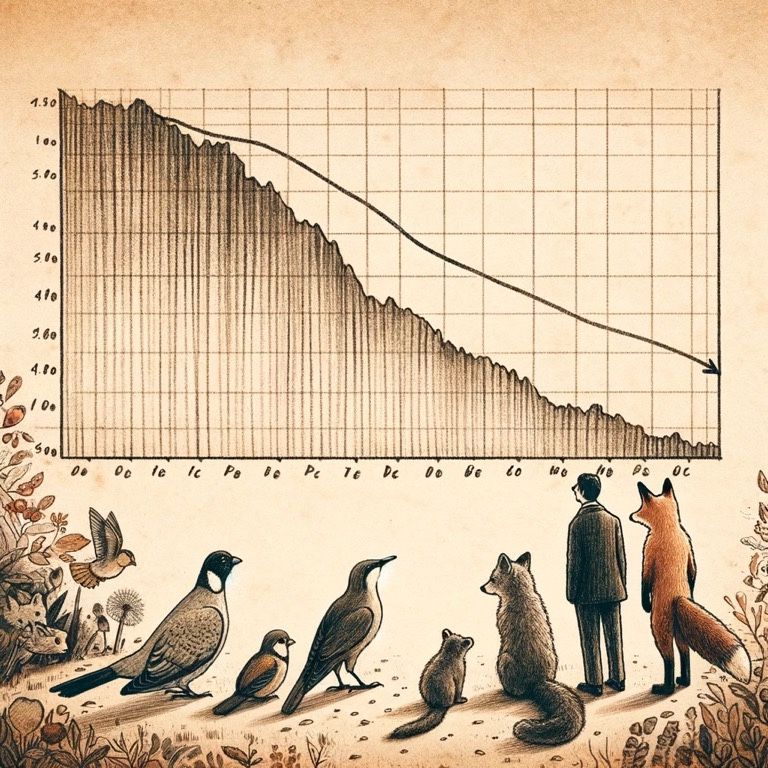
Birdsong, once the soundscape of the British countryside, is (as Rachel Carson predicted in her book Silent Spring) fading. Recent data on wild bird populations in the UK paints a picture of a species under strain. Birds are affected from farmland to woodlands and uplands. Since 1970, UK wild bird populations have dropped by 16% across all habitats. Farmland and woodland birds have experienced more severe declines. These numbers aren’t mere statistics; they are indicators of wider ecosystem health. But what has driven this decline, and what steps can we take to reverse it?
Let’s be clear, though – pointing fingers at farmers won’t help solve the problem. Farmers are not the villains in this story; in fact, they’re essential allies in any sustainable solution. We need to involve farmers in the conversation. We should hear their ideas and work together. Encouraging farmers to lead in conservation efforts makes much more sense than expecting meaningful change without their skills and cooperation. It’s completely unreasonable to think we can reverse these trends. Without input from those who know the land best, it cannot be done.
Why Are UK Bird Populations Declining?
Birds (like all animals) are highly sensitive to changes in the environment. Their survival is closely tied to the health of their habitats. Since the 1970s, intensive agricultural practices have contributed to a shrinking bird population. The loss of woodland diversity, a rapid change in climate and shifts in land management have also played a role.
For many species, the decline has been severe:
- Farmland Birds: Among the hardest hit, farmland birds have seen a population decline of 61% over the past 50 years. Species like the turtle dove, grey partridge, and tree sparrow were once common sights on fields and hedgerows. Their numbers have been drastically reduced. The transition to intensive farming has reduced nesting sites and food sources. The loss of hedgerows and increased use of pesticides have further affected these resources. Many farmland birds are incapable of adapting fast enough.
- Woodland Birds: Woodland bird populations have dropped by 35%, with specialists like the willow tit and capercaillie faring worst. Lack of traditional woodland management, such as coppicing, along with rising deer populations, have affected these habitats. Degraded woodland diversity has made it harder for certain species to find adequate nesting spots and food.
- Upland and Wetland Birds: Their numbers are somewhat stable in the short term. Nonetheless, upland and wetland birds face pressures from habitat loss. They also deal with land use changes and climate-induced droughts. These factors threaten their long-term survival. Species like the peregrine falcon and lapwing are still in decline due to these shifts.
- Seabirds and Wintering Waterbirds: Seabirds and waterbirds face unique threats from climate change. Overfishing also poses risks. Additionally, they face threats from disease, notably the avian influenza outbreak. Overfishing has reduced food availability, impacting surface-feeding seabirds. Milder winters have pushed some migratory waterbirds away from British shores.
The Broader Picture: Why Bird Declines Matter.
Birds are often seen as “indicator species” because they show the health of their environments. Declines in bird populations signal broader issues in the natural world, like biodiversity loss, soil degradation, and climate change effects. Birds are one of nature’s most observable creatures. Their disappearance also diminishes the emotional and cultural value we draw from the natural world.
Simply put, fewer birds mean a world with fewer connections to the natural cycles we rely on.
The
Turning the Tide: Steps to Help Restore Bird Populations.
While the data is grim, there are actions we can all support to help reverse these trends. Here are seven steps that can make a difference:
- Support Sustainable Farming: Encourage and support farmers who employ nature-friendly methods. These methods include reduced pesticide use and the creation of wildlife corridors. Government subsidies for green farming practices could help create a win-win for agriculture and wildlife.
- Restore and Protect Habitats: Protecting and restoring key habitats is essential. Initiatives to rewild woodlands, manage deer populations, and restore hedgerows are proven to benefit bird species and overall biodiversity.
- Promote Traditional Woodland Management: Reintroducing coppicing and thinning practices in woodlands can create structural diversity. This diversity is essential for many woodland birds to thrive.
- Create Urban Wildlife Spaces: Even in cities, gardens, parks, and green roofs offer valuable habitats for birds. Planting native species, installing nest boxes, and creating small water sources can encourage urban biodiversity. Feeding the birds good, clean, quality bird food can make a big difference.
- Combat Climate Change Locally and Nationally: Climate change impacts habitats and migratory patterns. Reducing carbon emissions will mitigate some of these effects on birds and other wildlife. Preserving wetlands will also help. Participating in habitat restoration projects will further contribute to minimising the impacts.
- Raise Awareness and Advocate for Policy Change: Support organisations working to protect bird populations and their habitats. Advocating for stronger wildlife protection laws and funding for conservation projects can bring critical change.
- Engage in Citizen Science Projects: Join local bird counts and citizen science projects. This is a hands-on way to contribute to data collection. This data influences policy and conservation efforts. Initiatives like the Big Garden Birdwatch help provide valuable insights into population trends. Touch base with Haith’s events – become part of a community project.
Reversing the Trend: Why Small Changes Matter
While global change requires governmental and organisational commitment, individual actions collectively have the power to drive progress. Bird-friendly gardening, reduced pesticide use, and participating in local conservation efforts can help foster environments where bird populations can rebound. The path to restoring our bird populations is a shared responsibility, and each of us can play a part.
What can you do today to make space for nature in your neck of the woods?
Simon
Sources
The UK government’s official report provides an extensive analysis. It is for readers interested in exploring the detailed data behind the trends in wild bird populations. This report relies on long-term monitoring from several authoritative bodies. These authoritative bodies are the British Trust for Ornithology (BTO). They also include the Royal Society for the Protection of Birds (RSPB) and the Joint Nature Conservation Committee (JNCC). The report also explores factors impacting species by habitat, providing both long- and short-term trend data.
*Recent findings: Read the full report here:
Wild bird populations in the UK and England, 1970 to 2023
For further information about the specific indicators and methodologies, refer to the detailed explanations. These are in the annex sections of the government’s report. You can also visit the related data sets published alongside it. These data sets provide in-depth statistics on individual species, further broken down by habitat type and country.
Additional sources:
- British Trust for Ornithology (BTO): BTO Bird Indicators
- Royal Society for the Protection of Birds (RSPB): State of UK’s Birds
- Joint Nature Conservation Committee (JNCC): Seabird Monitoring Programme


2 responses to “Did You Know Britain’s Birds Are Disappearing?”
Thank you for this. We particularly liked your “Broader Picture: Why Bird Declines Matter”, pointing out
that birds are seen as “indicator species” because they reveal the health of their environments. Declines in
bird populations can, of course, indirectly affect other fauna and flora, including the all-important invertebrates.
Your “Turning the Tide: Steps to Help Restore Bird Populations” was nice and positive. Thank you again!
John and Margaret Cooper
LikeLiked by 1 person
Thank you both and best wishes. Simon
LikeLike