
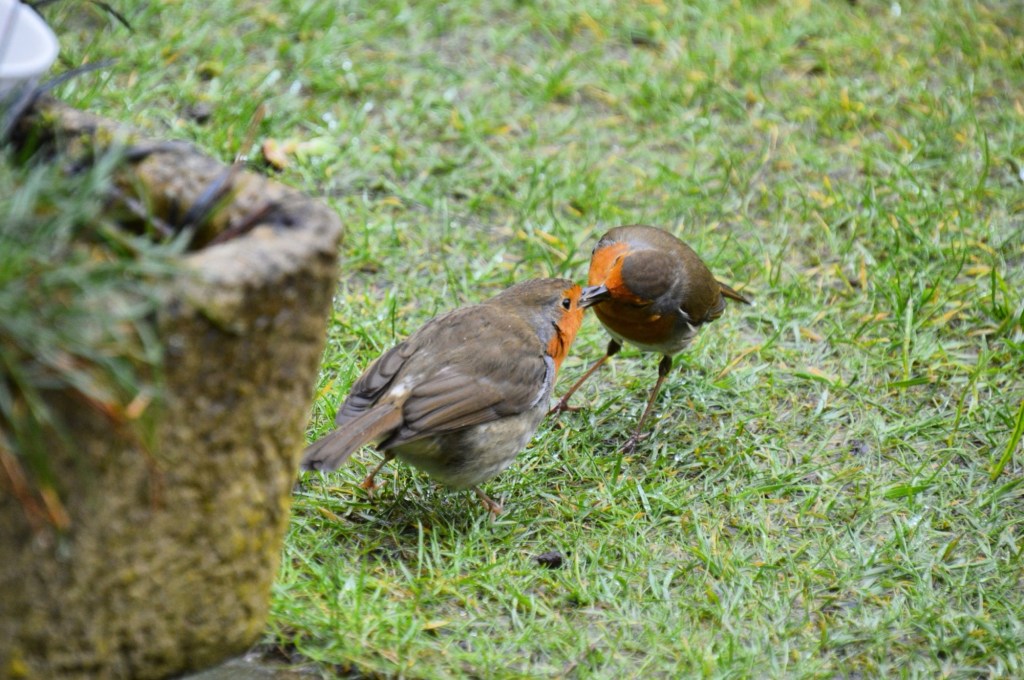
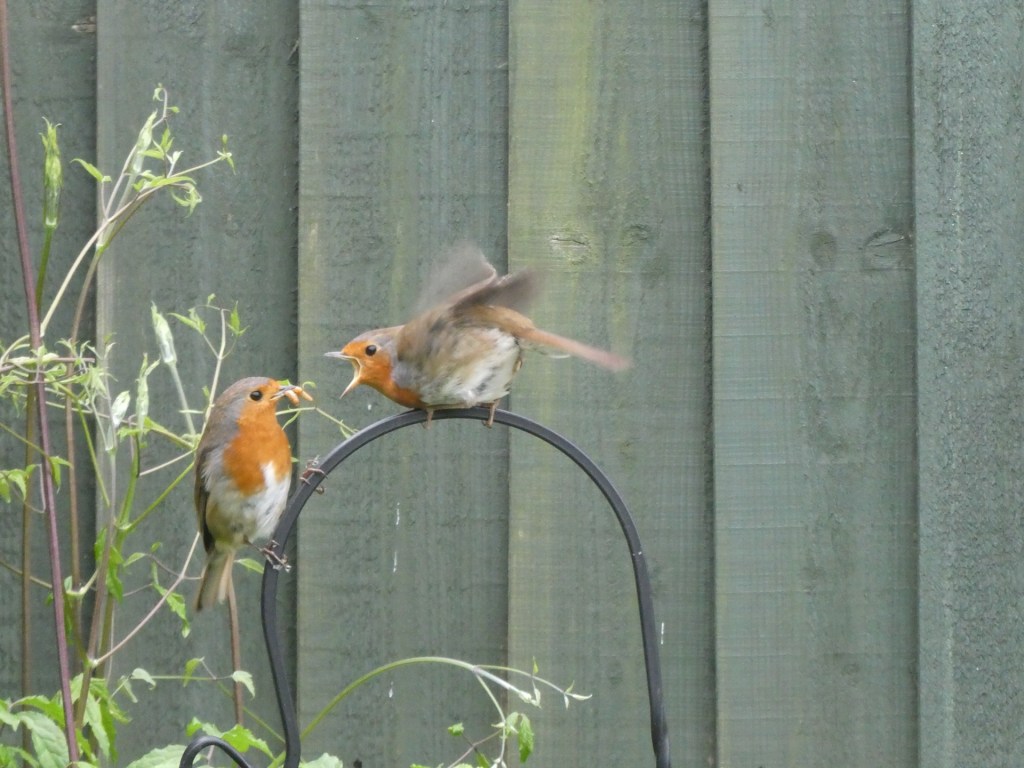
Birds rely on our gardens more than ever. Changes in farming, habitat loss, and climate pressures mean natural food sources are not always enough. Organisations like the RSPB and The Wildlife Trusts have described this as a “perfect storm” for wildlife, with species increasingly pushed out of the landscapes they once depended on.
Feeding the birds is NOT owned by one organisation. It’s looked after by millions of people every day, often without realising the role they play. That’s not a small thing. That’s one of the most powerful forces for nature we have.
It’s Powered by People Like You.
In that context, gardens are no longer just places where we enjoy nature. They have become part of nature itself. Across Britain, millions of gardens now form a kind of hidden nature network, not formally protected or centrally managed, but quietly supporting wildlife every single day.
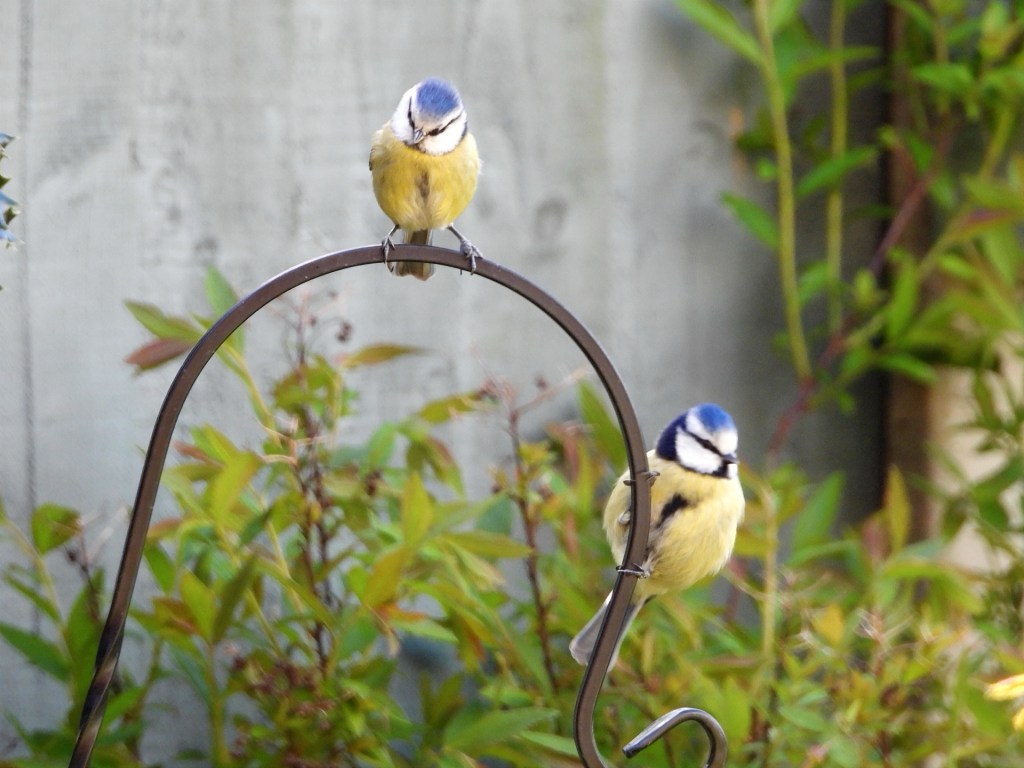
To us, a garden has boundaries. To a bird, it is part of a journey. These spaces act as stepping stones, helping birds move, feed, and survive in increasingly fragmented landscapes.
One of the clearest examples is the Great Spotted Woodpecker. Once rarely seen in many gardens, it is now a regular visitor, supported in part by reliable, high-energy food available at feeders.
It is a reminder that feeding, when done properly, can support both survival and reproduction.
There is also a human side to this that should not be overlooked. For millions of people, feeding birds is a daily ritual. A moment of calm. A connection to something real. Seeing birds in the garden, hearing their song, and noticing the seasons change through their behaviour. These small, repeated moments build awareness, care, and ultimately support for nature itself. If we lose that connection, we risk losing something much bigger than feeding.
So what is the real issue?
Most risks associated with bird feeding stem from hygiene, buildup, and overconcentration, not feeding itself. This is where the conversation needs to go further. If we want to protect birds, we should be helping people understand how to care for them properly, not just what to stop doing.
In many ways, feeding birds is not so different from caring for any other animal. We would not leave a dog bowl outside in the sun for weeks with old food sitting in it. We would not allow water to go stale or feeding areas to become contaminated. The same principles apply here. Clean food, clean feeding spaces, and regular attention make a meaningful difference.
The good news is that feeding birds safely is not complicated. You do not need to stop feeding birds. You just need to do it properly. Keep food fresh and dry. Feed little and often. Avoid build-up and waste. Clean feeders and water regularly. These are small, practical habits, but when repeated across millions of gardens, they have a real impact.
Britain’s birds need us, and we need them.
You are already part of it. Keep feeding birds. Just feed them properly.
For practical guidance on feeding birds safely, this short video from John Cooper is worth watching: https://m.youtube.com/watch?v=Rl2Q9bp_2jc

