
-
A Step Backwards for Bee Conservation: The Reauthorisation of a Harmful Pesticide.

The UK Government’s approval of the ’emergency’ use of Thiamethoxam, a harmful neonicotinoid pesticide, has raised serious concerns within the conservation community. This decision not only threatens bee populations and ecosystems but also underscores the urgent need for sustainable agricultural practices. Environmental groups are advocating for nature-positive pest management solutions to safeguard the planet’s health.
-
The Unsung Heroes of Pollination: Beyond the Bee

FFON EcoScribe. Just as a bee isn’t merely a bee, a pollinator isn’t just a bee either. In the vast orchestra of nature, there are numerous (200,000+ species) unsung heroes playing their part in the symphony of pollination – far too many to mention here, but let’s make a start… 1. Butterflies: The Colourful Wanderers…
-
COP28’s Climate Milestones:

The conclusion of COP28 heralds a pivotal moment in global climate action. As we dissect the agreements made, it becomes increasingly clear how these (appear to) align with the findings of the WWF State of Nature Report and the mission of FFON. COP28’s Commitment to Ending the Fossil Fuel Era: A landmark decision at COP28…
-
The Heart of Our Oceans: Preserving Marine Biodiversity

Today, let’s embark on an aquatic odyssey to explore and protect our vast, pulsating oceans. These mysterious blue realms, brimming with a symphony of life, are Earth’s lifeblood, yet they stand at a critical juncture due to human influence. 1. The Oceans’ Diverse Tapestry: Covering over 70% of Earth’s surface, our oceans are home to…
-
Triumphs in Conservation: Stories of Hope and Renewal

In the midst of pressing environmental challenges, it’s crucial to remember that positive change is not just possible, but happening. Today, we shine a light on the inspiring conservation success stories from around the globe – tales of resilience, renewal, and hope. The Return of the Bald Eagle: The bald eagle’s recovery is a celebrated…
-
The Nar Valley in Norfolk – A foot safari during the Covid lockdown.

John and Margaret Cooper’s Pentney to King’s Lynn ‘safari’ 13 – 15 July 2020. A report on our walk – and the natural history that we saw – for the FFON Armchair Naturalist website: https://thefrightenedfaceofnature.com/ Part 1. Last month we decided, as a break from our fifteen-week Covid-19 “lockdown”, to explore the River Nar on…
-
Pond life.

-
“Where have all the flowers gone?”
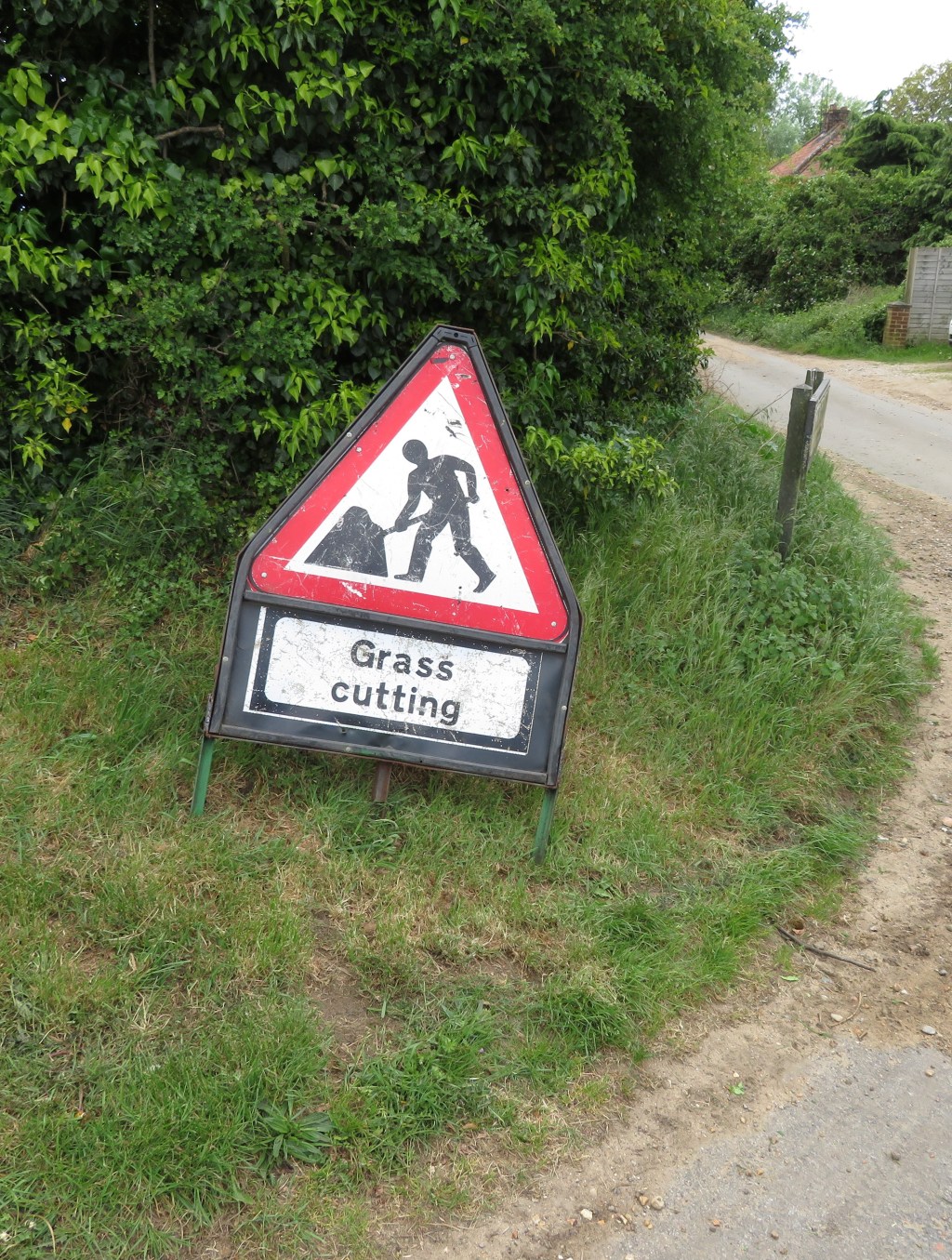
By John and Margaret Cooper. On Monday 23rd March 2020, nine weeks ago, we started to “self-isolate” as over 70s in our tiny cottage in Norfolk. During our lockdown we have taken most of our government-sanctioned daily exercise by strolling down a nearby narrow country lane. We have used these walks to observe plants and…
-
Growing close to nature during the lockdown

-
A more optimistic long view of our place in nature

By Dr Valerie Jeffries. Walking along briskly for my lockdown exercise I was watching the starlings congregate for their evening swarm on the TV aerials, and listening to quarrelling sparrows and the raucous yells of the seagulls way inland. Many birds have adapted to live alongside humans in our urban landscapes, some like the house…
-
Plummeting decline: ‘may lead to the extinction of 40% of the world’s insect species over the next few decades.’

The report, published in the journal Biological Conservation, says ‘intensive agriculture is the main driver of the declines,’ particularly the use of ‘agro-chemical pollutants’ combined with urbanisation and climate change. The scientific review reports that over 40% of insect species are threatened with extinction over the next few decades. Highlights: Over 40% of insect species are threatened…
