
-
Q3. What Happens When We Treat the Planet as Disposable?
Our world is one of convenience. Use it, bin it, move on. Fast fashion. Single-use plastics. Endless consumption. Just spend five minutes at a rubbish tip and watch what gets thrown away. This can’t end well, can it? Here’s the thing: the planet isn’t disposable, and its resources aren’t infinite. We contribute to the problem…
-
Q2. What Does It Mean to ‘Belong’ to the Earth?
-
Introducing: 24 Questions to Save the World.

-
Shrinking Biodiversity: The Impact of Human Actions on Wildlife.

Recent reports paint a stark picture of the challenges our planet’s wildlife faces today. The World Wildlife Fund’s Living Planet Report 2024 sounds a chilling alarm: there has been a catastrophic 73% decline in monitored wildlife populations over the past 50 years. Freshwater species have been hit even harder, facing a staggering 85% decline. This…
-
Beyond Bees: The Unsung Heroes of Pollination.

A letter from Dafydd Lewis published in the Amateur Entomologists’ Society. Introduction for FFON by Simon H King FLS: While bees often capture the limelight in discussions about pollination, their stage is shared with unsung heroes that operate under the cloak of night. This guest post by Dafydd Lewis shines a spotlight on moths, the…
-
Part 4: AI in Biodiversity Conservation – A Digital Legacy of Detailed Cataloguing
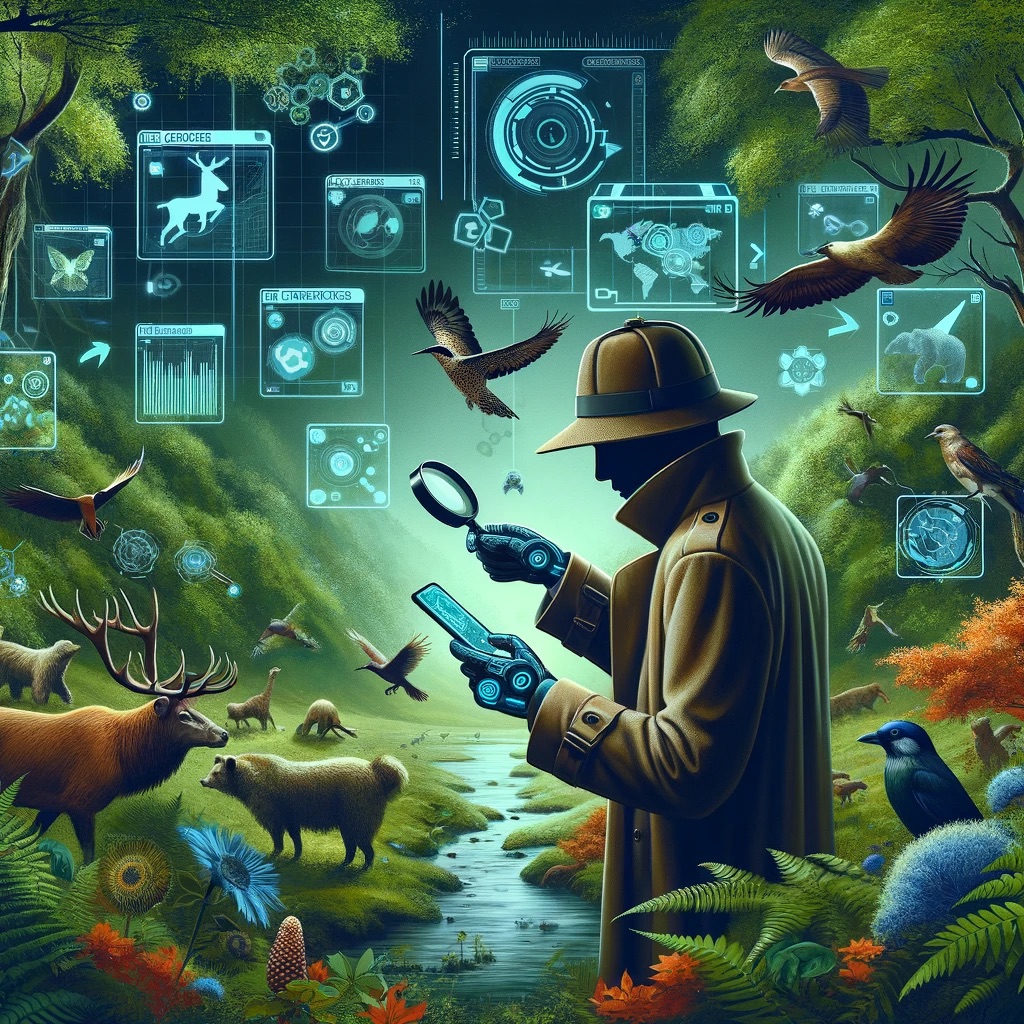
Picture this: a world where the intricate tapestry of biodiversity is not just observed, but deeply understood and meticulously catalogued with the help of AI. That’s the evolving realm of biodiversity conservation today. AI is playing a game-changing role, not just in identifying and cataloguing species, but in piecing together their roles in ecosystems. It’s…
-
Join the Big Garden Birdwatch 2024: Discover, Count and Conserve.
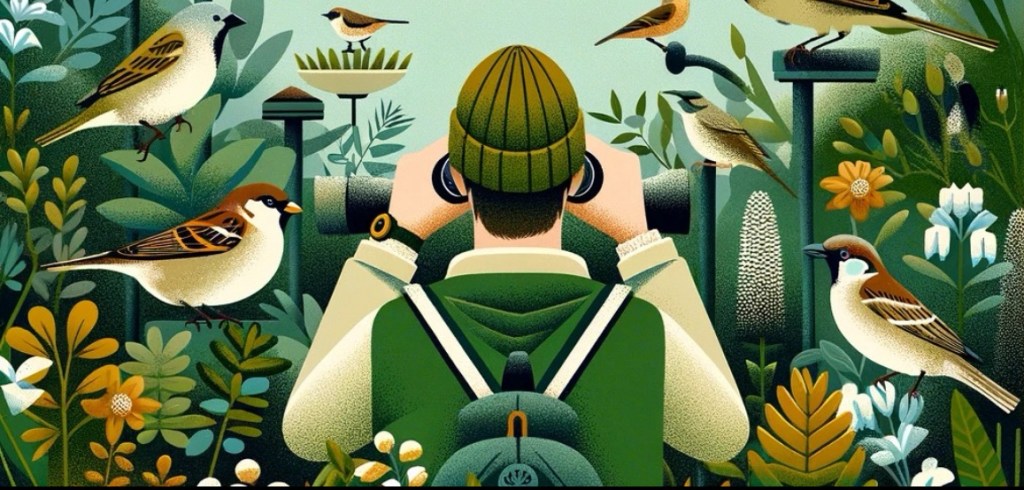
It’s time to turn our attention to one of the UK’s most engaging and important wildlife events – the Big Garden Birdwatch. Scheduled for 26-28 January 2024, this annual event offers a unique opportunity for bird enthusiasts and nature lovers alike to contribute to a nationwide effort in understanding and protecting our bird populations. What…
-
Micro-conservation: Small Steps to Big Change

Every positive choice we make, every kind and considerate action we take, is a much needed ripple in the pond of our world. This is the heart of micro-conservation – the idea that our smallest habits can join together to create waves of nature-positive environmental change. You’ll already the kind of thing I’m talking about…
-
The Bee Paradox

Can we agree a bee isn’t just a bee? It’s a signal. A signal that tells us about our health, our planet, and even our future. In their relative silence, bees are surprisingly loud. They’re telling us about the fragility of our ecosystem, about the delicate balance we’ve disrupted. And yet, we often choose not…
-
Fork in the Road: Envisioning Earth’s Future in 2050

“Fork in the Road: Envisioning Earth’s Future in 2050” presents two divergent global scenarios (blogs) for the year 2050, each illustrating the profound impact of our environmental choices. These scenarios are not just about London but serve as a microcosm for the world at large. The first scenario paints a grim picture of a planet…
-
Simple Steps Towards a Greener Tomorrow

Hello, friends! Today, we’re jumping into how each of us can contribute to a brighter, more sustainable future. As we sip our morning cuppa and Boxing Day behind us, let’s ponder some easy yet powerful actions, buoyed by the inspiring work of various UK organisations dedicated to nurturing our planet. 1. Reject Single-Use Plastics: Embrace…
-
A more optimistic long view of our place in nature

By Dr Valerie Jeffries. Walking along briskly for my lockdown exercise I was watching the starlings congregate for their evening swarm on the TV aerials, and listening to quarrelling sparrows and the raucous yells of the seagulls way inland. Many birds have adapted to live alongside humans in our urban landscapes, some like the house…
