
-
Military Land – A Conservation Success. By Graham Wellstead.
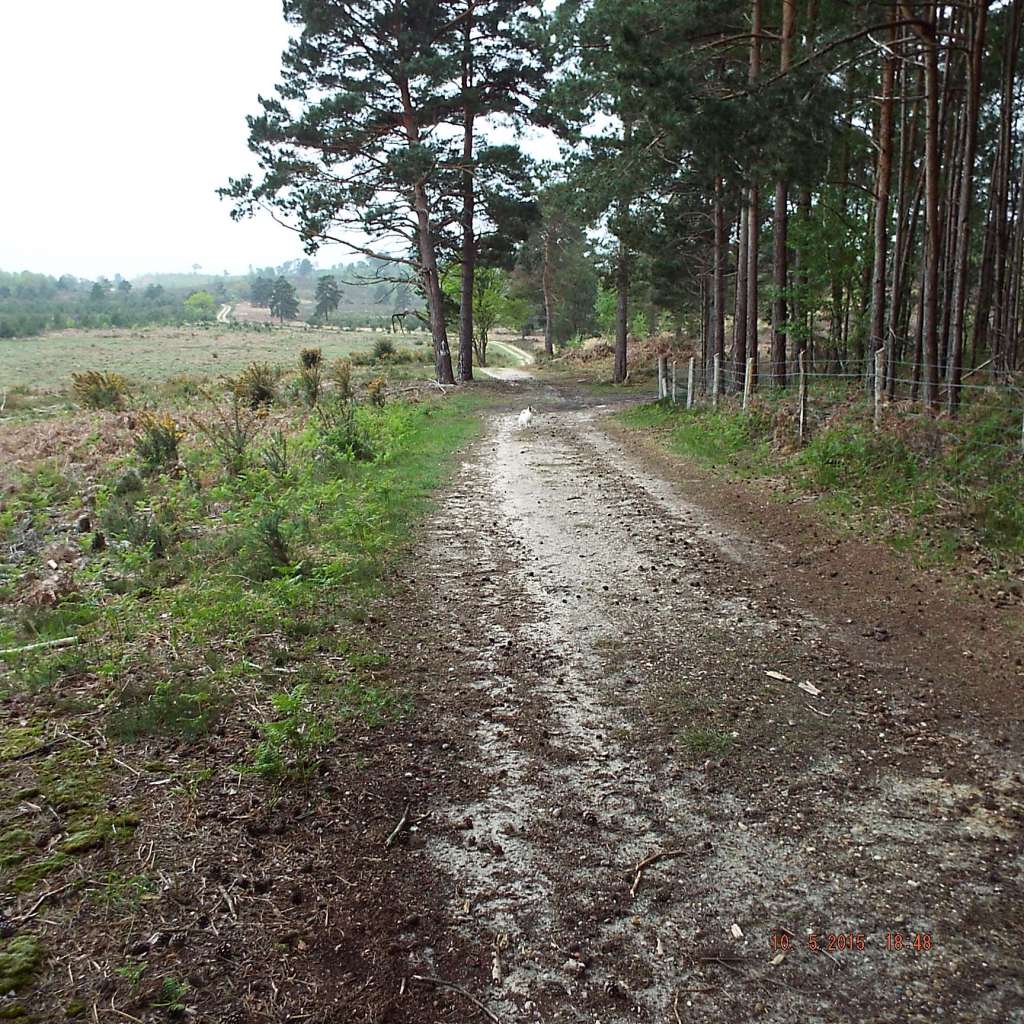
Introduction: When we think of military land, conservation isn’t often the first thing that comes to mind. Yet, as Graham Wellstead highlights in this fascinating guest post, the UK’s military-owned land has become an unexpected sanctuary for wildlife. Spanning 600,000 acres, much of this land has remained untouched for over a century, offering a haven…
-
Q3. What Happens When We Treat the Planet as Disposable?
Our world is one of convenience. Use it, bin it, move on. Fast fashion. Single-use plastics. Endless consumption. Just spend five minutes at a rubbish tip and watch what gets thrown away. This can’t end well, can it? Here’s the thing: the planet isn’t disposable, and its resources aren’t infinite. We contribute to the problem…
-
Q2. What Does It Mean to ‘Belong’ to the Earth?
-
Did You Know Britain’s Birds Are Disappearing?

Featuring recent findings* on wild bird populations and actionable steps towards reversing their decline. Birdsong, once the soundscape of the British countryside, is (as Rachel Carson predicted in her book Silent Spring) fading. Recent data on wild bird populations in the UK paints a picture of a species under strain. Birds are affected from farmland…
-
Shrinking Biodiversity: The Impact of Human Actions on Wildlife.

Recent reports paint a stark picture of the challenges our planet’s wildlife faces today. The World Wildlife Fund’s Living Planet Report 2024 sounds a chilling alarm: there has been a catastrophic 73% decline in monitored wildlife populations over the past 50 years. Freshwater species have been hit even harder, facing a staggering 85% decline. This…
-
Part 5: Embracing AI in Conservation – A Forward-Thinking Approach
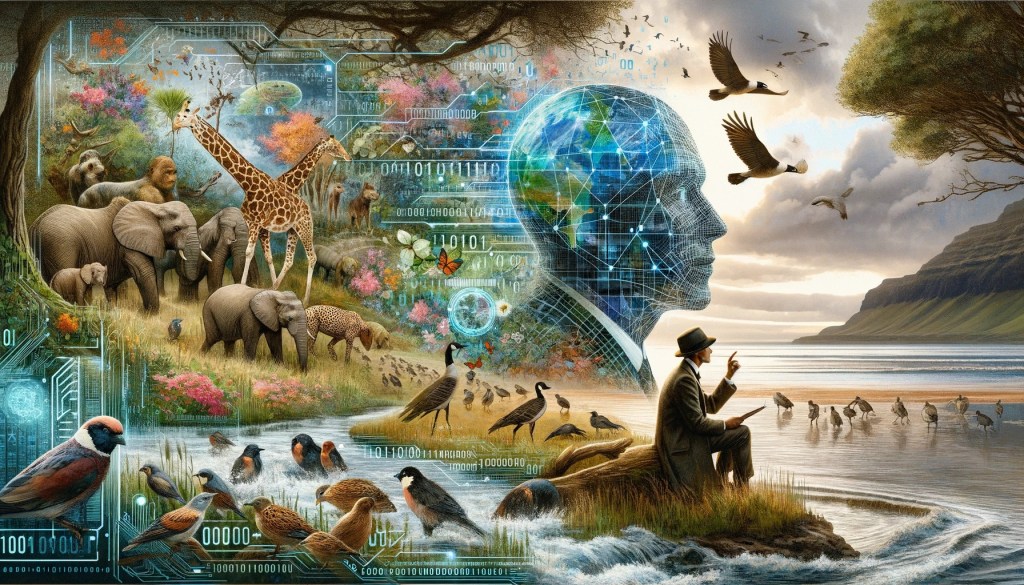
As we bring this AI series to a close, it’s intriguing to ponder over AI’s alignment with Maxwell Knight’s lifelong dedication to nature. Knight, an illustrious naturalist and former MI5 spy-handler, devoted his life to the study and conservation of the natural world. His pioneering methods in observational research set a standard in environmental study…
-
The Bee Paradox

Can we agree a bee isn’t just a bee? It’s a signal. A signal that tells us about our health, our planet, and even our future. In their relative silence, bees are surprisingly loud. They’re telling us about the fragility of our ecosystem, about the delicate balance we’ve disrupted. And yet, we often choose not…
-
Breeding and Releasing British Wildlife (Before rewilding became the catchphrase)
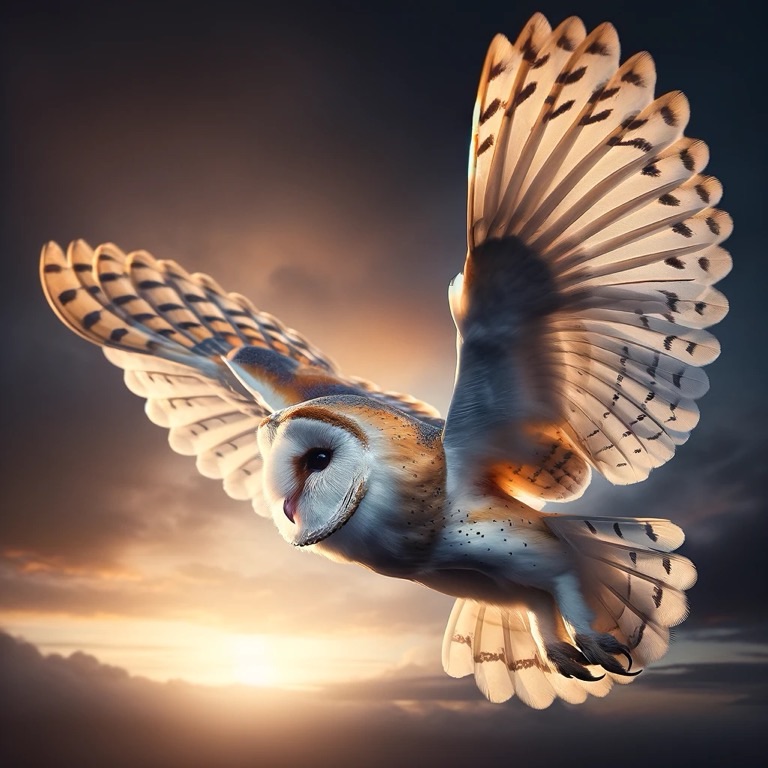
By Graham Wellstead Introduction: Delve into a fascinating tale of dedication and innovation in wildlife conservation with our guest contributor, Graham Wellstead. In this blog, Graham shares his personal experiences from the late 1970s, focusing on the challenges and triumphs of breeding and releasing Barn Owls and European Polecats in the UK. Before the concept…
-
Echoes of the Past: Learning Conservation from Maxwell Knight
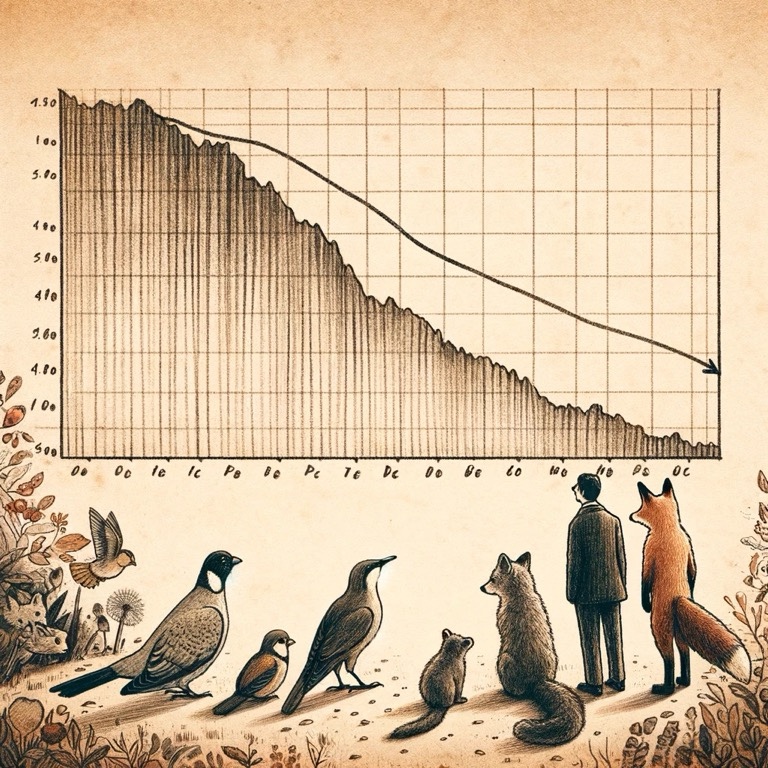
What can a spy teach us about nature? In the echoes of history, we often find timeless wisdom. This is particularly true when we revisit the legacy of Maxwell Knight OBE, the legendary ‘Nature Detective’ and MI5 spymaster. Knight, a figure who intriguingly straddled the worlds of espionage and natural history, left behind a legacy…
-
Charming Snakes by Dr Valerie Jeffries
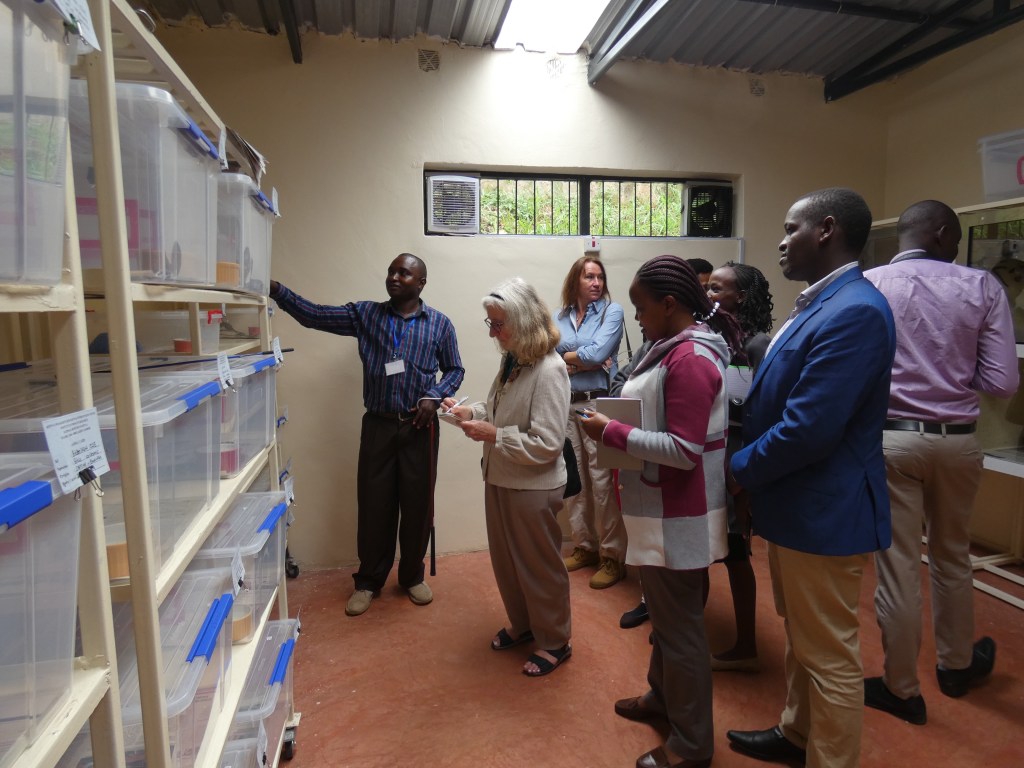
A Seminar on Reptiles, Institute of Primate Research (IPR), Kenya A seminar on “Reptiles and Snakebite” was held at the Kenya Snakebite Research and Intervention Centre (KSRIC) near Nairobi on March 11th 2020, organised by Mrs Margaret Cooper and of course by Professor John Cooper, together with Dr. Atunga Nyachieo, (Chief of Research IPR) for…
-
Maxwell Knight Symposium coverage in the IAT Bulletin

-
“The mysterious Mr Knight: spymaster to be celebrated.” – Cage & Aviary Birds magazine July 18.

Thanks, Cage & Aviary Birds for the article “The Mysterious Mr Knight: spymaster to be celebrated” in this week’s publication. Registration for the Maxwell Knight Symposium is via The British Herpetological Society website Organised by the British Herpetological Society (BHS), with support from the British Chelonia Group (BCG), the Amateur Entomologists Society (AES), the Institute…
-
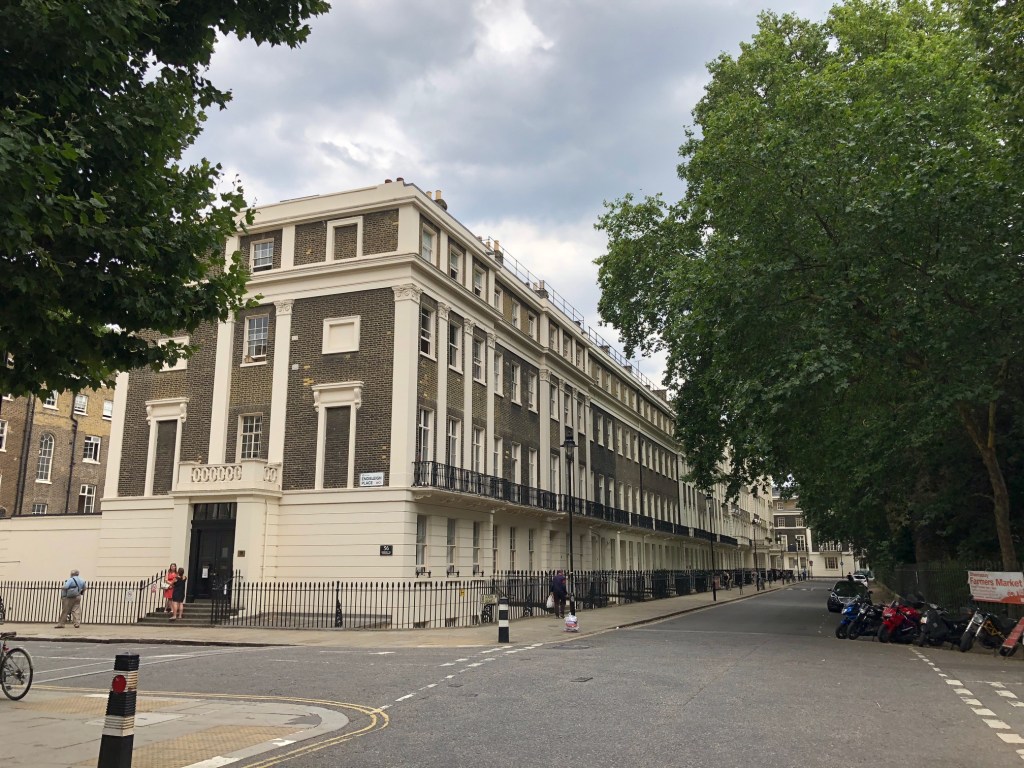
LATEST NEWS: Venue/date confirmed for Maxwell Knight Symposium
-
Our wildlife is in ‘crisis’ – ‘56% of UK species are in decline’ and ‘165 species are considered Critically Endangered in Great Britain’
Our wildlife is in ‘crisis’ according to a new report launched this month entitled the State of Nature, which brings together data and expertise from over 50 organisations (including BTO, RSPB, WWF, ZSL, National Trust, Woodland Trust, Butterfly Conservation et al). Britain’s wildlife is in ‘crisis’ as ‘56% of UK species are in decline’ and…
