
Introduction: When we think of military land, conservation isn’t often the first thing that comes to mind. Yet, as Graham Wellstead highlights in this fascinating guest post, the UK’s military-owned land has become an unexpected sanctuary for wildlife. Spanning 600,000 acres, much of this land has remained untouched for over a century, offering a haven for species under threat from urbanisation and environmental change.
Join Graham as he takes us on a journey through this remarkable terrain, exploring its unique history, its thriving biodiversity, and the role it plays in preserving some of our most endangered habitats. – Simon.
It comes as something of a surprise to learn that the land in the UK owned by the military is some 600,000 acres. Barracks and offices, but mainly open land, virtually unchanged since the first World War. Within 3 miles of where I live in Surrey, there are over 2,000 acres of live firing ranges and training ground, not subject to the use of live ammunition. The land continues to Aldershot, one time Home of the British Army with several 600-yard ranges used for mainly rifles and some automatic weapons. Until the 80’s there was also a mortar range, which has the remains of mortars, some still live. This large expanse of land has remained almost untouched by progress for over 100 years and perhaps more by accident than design, is an example of successful conservation. Now looked after by various conservation groups, but still under the control of the military.

When I came to live in my town immediately after the 39/45 war, it was a small Victorian town with lots of green spaces and open land, farmland, and miles of beautiful mature mixed woodland. Now it is a town with the largest population in the country and the centre now resembles Manhattan. Many of the green areas and farms have been built on, the whole area would not be recognised by anyone who had not seen it for 25 years by. One of the first green belt spaces to be built on was close to my home. My friends and I had played cricket, football, had gang wars and generally a happy time. While the land held birds such as Red-backed Shrike, Partridges and all three Woodpeckers plus one summer; Wryneck. The comparison now is a conservation disaster.
The common land closest to the town was a haven for such birds as Nightjars, but the increase in people exercising dogs running through the heather has effectively driven them and other ground nesting birds away, and few bother to clean up after their animals. I no longer walk there but still walk the army land.
Until the Covid pandemic it was unusual to see anyone on the live firing ground. Red flags flown all around the perimeter, and hard to miss as you can usually see more than one at any time, restrict access. I always found the best time was early mornings especially in the summer months, and unless there was live firing at night, the flags did not fly until 7.30am. I often witnessed beautiful sunrises and on one occasion on the 600-yard range which ran directly east to west, a full moon in a cloudless sky, suspended over the end of the range, with the sun coming up directly opposite, behind me.

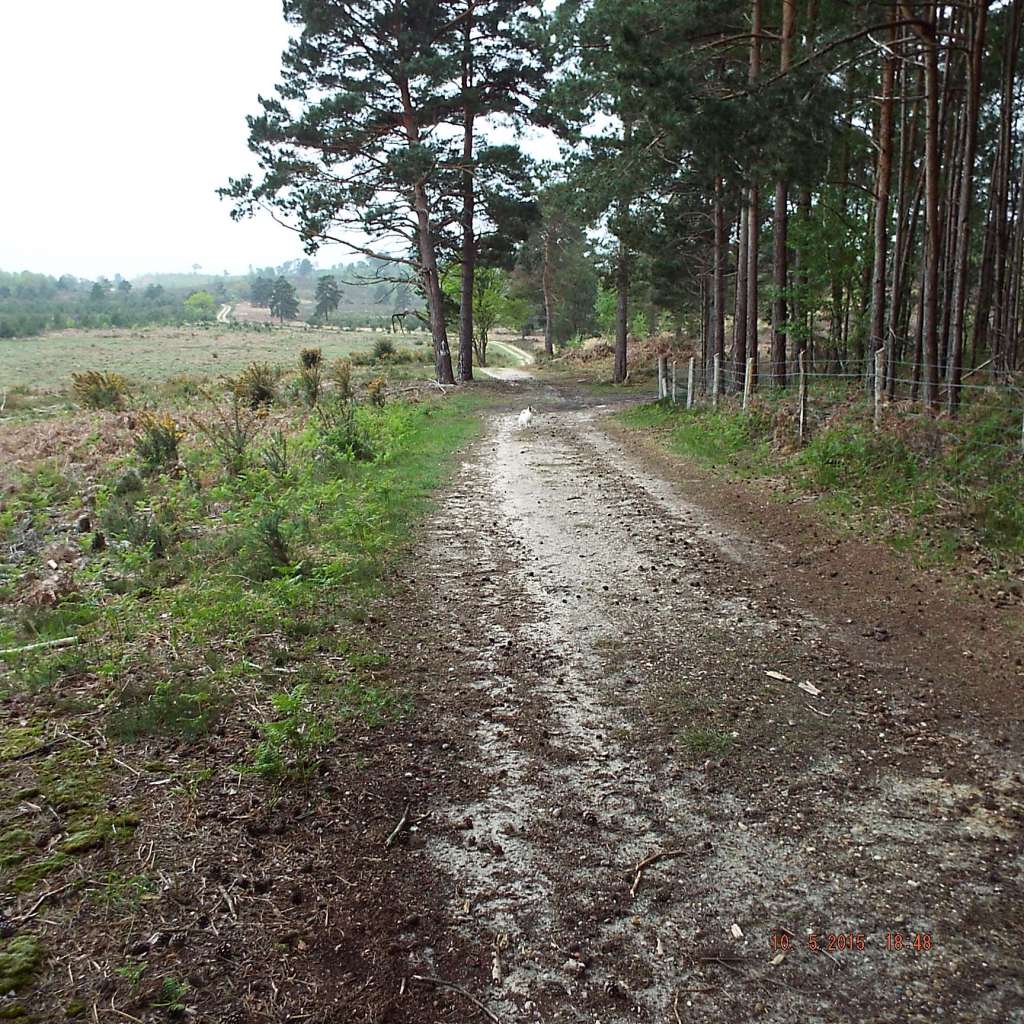
The land has large areas of southern heath, and a mix a birch and pine scrub, plus areas of mature mixed woodland. There is virtually no change in the land itself, but great changes in the wildlife it supports, mostly affected by elsewhere, and to a degree, climate change. When the heather is in flower you could be in Scotland. This habitat holds a wide range of species, including many reptiles. Few days passed without sighting at least one Sand Lizard.
I had put a number of corrugated iron sheets in the heather, well away from footpaths and prying eyes, they were havens for quite an array. On one occasion I found a bank vole, 3 slow worms and an adder, all under one 3ft long sheet. The real surprise was the vole.

Birds are well represented with the rare overwintering Dartford Warbler They exhibited an unusual behaviour for at the end of their breeding season I often had them following me as I walked, in spite of being accompanied by two dogs. For many years I had a Weimaraner which was a dog bred to find game by scent, and she would find and point nightjars and woodcock. Both species wonderfully camouflaged. The woodcock gave off almost no scent so were difficult to find, but she did, and holding the point without approaching meant I could call her away before the bird flushed.
In spring there were Cuckoo’s, although now almost entirely absent. The ground had a number of quite well-hidden flash ponds which it some years retained some water all year round. They had a large number of Willow trees round their perimeter, and the caterpillers were one of the staples of the Cuckoo’s diet. In the woodland there were, and still are Sparrowhawks, included in my 20-year study. One of the advantages of watching sparrowhawks, was that they were site faithful, and would return to the nest site year on year. This helped my study as I built up and retained a regular 20 plus nest sites on public land in a 7 miles radius of my home; public land as it saved asking permission. A large percentage of that land is military, and virtually undisturbed. There are also other birds of prey, hobbies in the summer, buzzards and red kites. Sadly, there are no merlin’s. Owls, have never been well represented except for Tawny’s. They were in good numbers and individuals could be identified as each one had a distinct call. Now it is rare to hear more than one call. No barn owls but I have never seen them there. Little owls in low numbers. I have no evidence of either Short- eared or Long-eared Owls.
Small fry such as warblers, pipits, goldcrests, even fire crests. And pretty well all the common garden birds except house sparrow and dunnock.
Mammals included 3 live badger setts and several outliers, and they remain. Roe deer in large numbers and occasional Muntjac. Foxes were unusual to see, but stoats and weasels are present still, although rabbits which were never in high numbers except around the edges where the military land backs onto farm land, are now almost completely absent.
The military still use the training ground regularly, and shooting clubs sometimes use it on weekends which means there is no access to the public. Often it is just one range in use but the whole area is closed. In spite of a shrinking armed forces the land will remain and be a virtually undisturbed haven for wildlife under pressure for the foreseeable future.
Graham Wellstead


One response to “Military Land – A Conservation Success. By Graham Wellstead.”
Many thanks, Graham, for this excellent account of the role of military land in conservation.
It reminded us of the Sandhurst/Camberley heathland where John studied natural history as
a boy, under the watchful eye of Maxwell Knight, and – many years later – his parents, Eric
and Dorothy Cooper, doing botanical surveys on Salisbury Plain while tanks on exercises
roared by and paratroopers dropped from the sky.
Greetings from chilly Sussex where we continue to enjoy the “twelve days of Christmas”.
Best wishes.
John and Margaret Cooper
LikeLike