
-
Beyond Bees: The Unsung Heroes of Pollination.

A letter from Dafydd Lewis published in the Amateur Entomologists’ Society. Introduction for FFON by Simon H King FLS: While bees often capture the limelight in discussions about pollination, their stage is shared with unsung heroes that operate under the cloak of night. This guest post by Dafydd Lewis shines a spotlight on moths, the…
-
To Bee Or Not To Bee

The importance of bees in our Countryside. By Graham Wellstead. It is often quite difficult to quantify the number and range of insect species which currently live, but may not necessarily thrive, in the UK. With the loss of habitat, and urbanisation, we should not be surprised to learn many small things have gone extinct…
-
The Unsung Heroes of Pollination: Beyond the Bee

FFON EcoScribe. Just as a bee isn’t merely a bee, a pollinator isn’t just a bee either. In the vast orchestra of nature, there are numerous (200,000+ species) unsung heroes playing their part in the symphony of pollination – far too many to mention here, but let’s make a start… 1. Butterflies: The Colourful Wanderers…
-
The Bee Paradox

Can we agree a bee isn’t just a bee? It’s a signal. A signal that tells us about our health, our planet, and even our future. In their relative silence, bees are surprisingly loud. They’re telling us about the fragility of our ecosystem, about the delicate balance we’ve disrupted. And yet, we often choose not…
-
Bee orchids: a plant being able to outwit an insect is truly phenomenal.

A genius evolutionary mimic of developing a decoy female bee to attract males hoping to mate with the ‘inanimate female’, but instead the males end up pollinating the flower free of charge! Unfortunately, the exact bee species required to pollinate this particular orchid doesn’t exist in the UK, so the orchid has now adapted to…
-
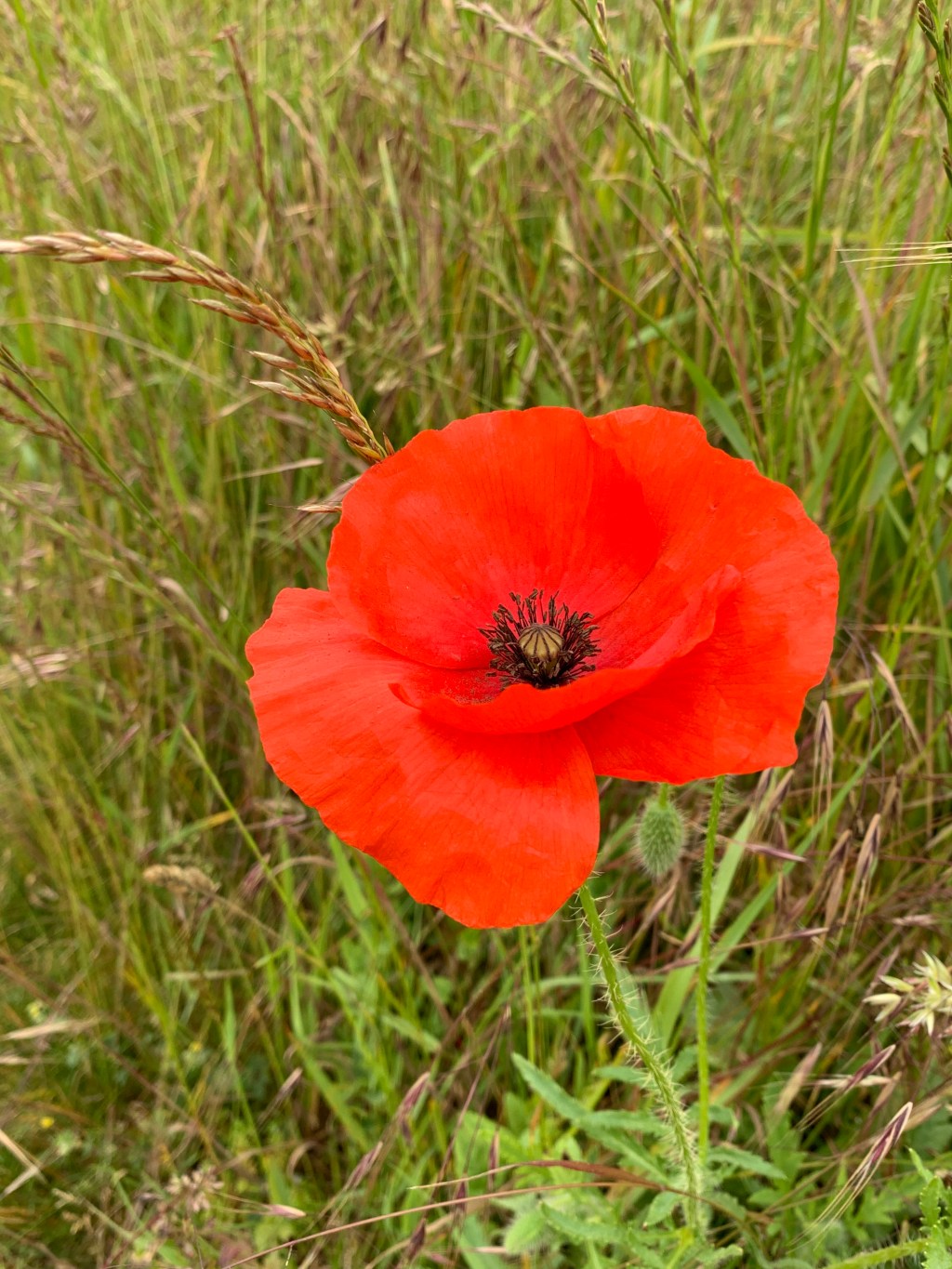
A bee in slow motion on a practically perfect poppy
-
A note from “SE4 Sally”
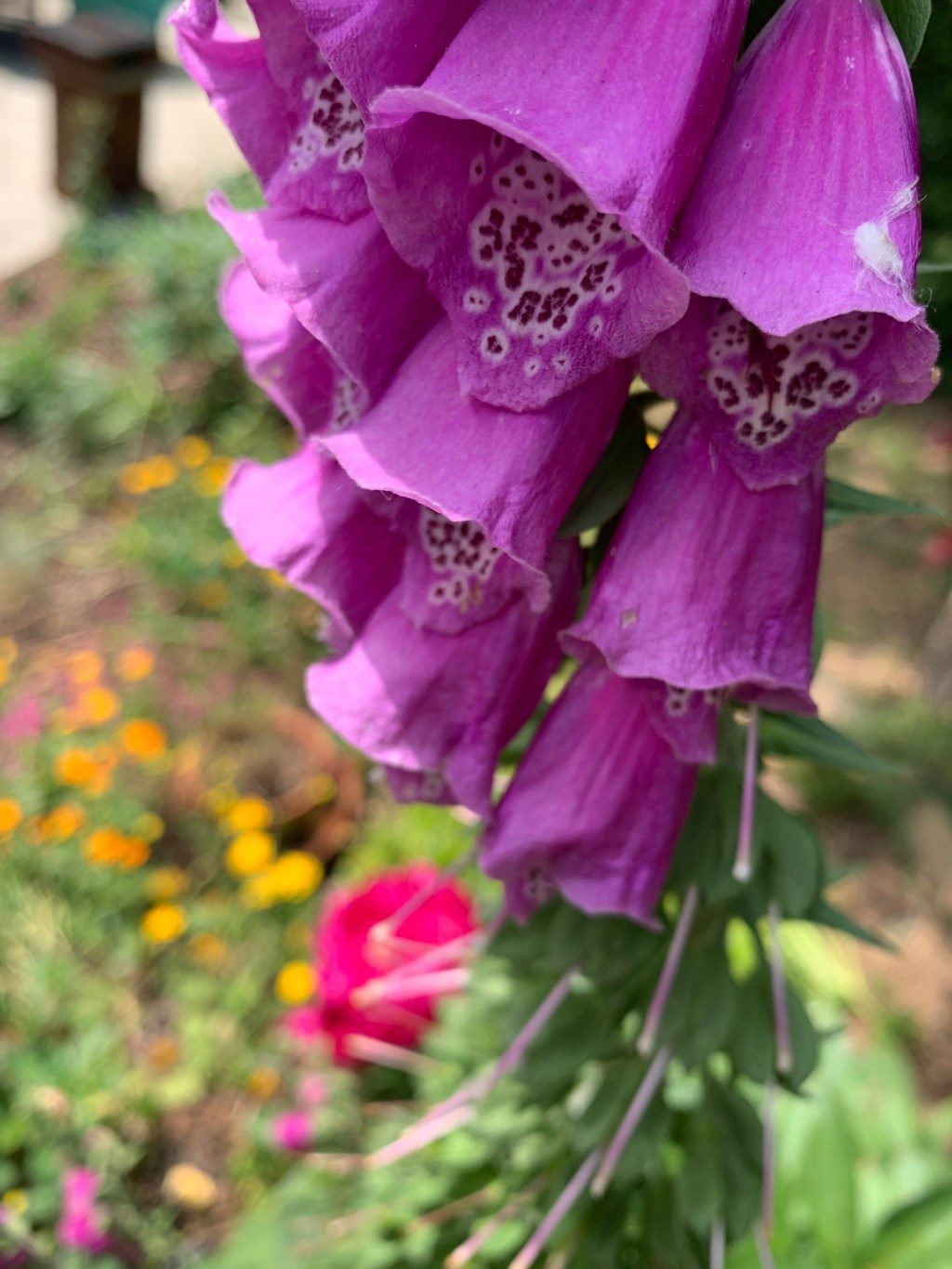
“Bee-watching in garden – never noticed “bee preferences” before. In the case of Kniphofia (red hot poker plant) – always thought it was snails eating the flowering pokers – its bees, starting as yellow at bottom and working up. Common bumble bees and honey bees seem to prefer this plant. Buff-tailed bumble bees love the…
-
Growing close to nature during the lockdown

-
“April … hath put a spirit of youth in everything”

John and Margaret Cooper submitted the piece below, with photos, for the FFON Armchair Naturalist, from their friend Dr Jennifer Whybrow BVSc MSc MRCVS. Jennifer’s notes reflect changes during April, during the first few weeks of the Covid-19 lockdown. She enjoys her garden but, like all of us, has to strike a balance between maintaining…
-
“Our feeders are a magnet for the sparrows and the hawk.”

Written by Graham Wellstead (Surrey, UK). With this splendid weather, long may it last, albeit quite chilly first thing, I have been up and about since first light. Our bird feeders are currently hosting our usual gang of 60 plus house sparrows, who alternate their position from feeding, to cover in the pyracantha hedge underneath…
-
Butterflies, bees and buddleia – brilliant!

It’s amazing how much life a buddleia bush can attract – butterflies, bees, moths, hoverflies and an assortment of other flying insects feasting on the purple offerings. Buddleia is so simple to grow. Plant it. Leave it. Watch it spring to life and live up to its name (the butterfly bush). Cut it hard back…
-
Ministers reject second request to use banned bee-harming pesticides

“Campaigners welcome decision to turn down National Farming Union’s application for ‘emergency’ use of neonicotinoids for oil seed rape, ” reports The Guardian today (8 July). Dave Timms, Friends of the Earth’s bee campaigner, described the government’s move as “great news for bees and other wildlife”. But he said the victory is at risk following the EU…
