
-
Part 1: AI in Wildlife Monitoring – Echoes of Knight’s Observational Expertise?

“#artificialintelligence (#AI) – Forget driverless cars for a moment, the future of #wildlife conservation could benefit greatly from embracing AI as a tool, provided it is used judiciously and in conjunction with traditional #conservation methods and fieldcraft. This balanced approach could lead to more effective conservation strategies, helping to protect and understand our natural world…” FFON Maxwell Knight’s legacy in…
-
Blog Series Intro: AI: The Modern-Day Nature Detective. Advancing Maxwell Knight’s Vision.

“Unveiling Nature’s Challenges, Inspiring Conservation’s Future.” FFON. Welcome to our exploratory (very much work in progress and up for debate) blog series, “AI: The Modern-Day Nature Detective – Advancing Maxwell Knight’s Vision.” This series is an exploration into the revolutionary world of Artificial Intelligence (AI) and its burgeoning role in nature conservation, a field that…
-
Maxwell Knight the Amateur Naturalist – Remembering a Lecture by Prof. John E. Cooper

Introduction In a compelling lecture at the Maxwell Knight Commemorative Symposium, Professor John E. Cooper delved into the captivating world of Maxwell Knight, known to many as a WW2 MI5 spymaster and agent handler, but equally significant (especially to John Cooper) as a pioneering amateur naturalist. Held on 24th November 2018 at Birkbeck College, London,…
-
The Spy Who Loved Nature: Maxwell Knight’s Legacy Beyond MI5

Inspired by Simon King’s talk at The Maxwell Knight symposium. In the clandestine corridors of MI5, Maxwell Knight, the original ‘M’, was a living legend. His secret intelligence service prowess during the inter-war years and WWII is well-documented, with a flair for counter-subversion that helped infiltrate the British fascist movement and prevent Nazi sympathiser espionage…
-
The Climate Crisis: Through Nature’s Eyes and Echoing Maxwell Knight.
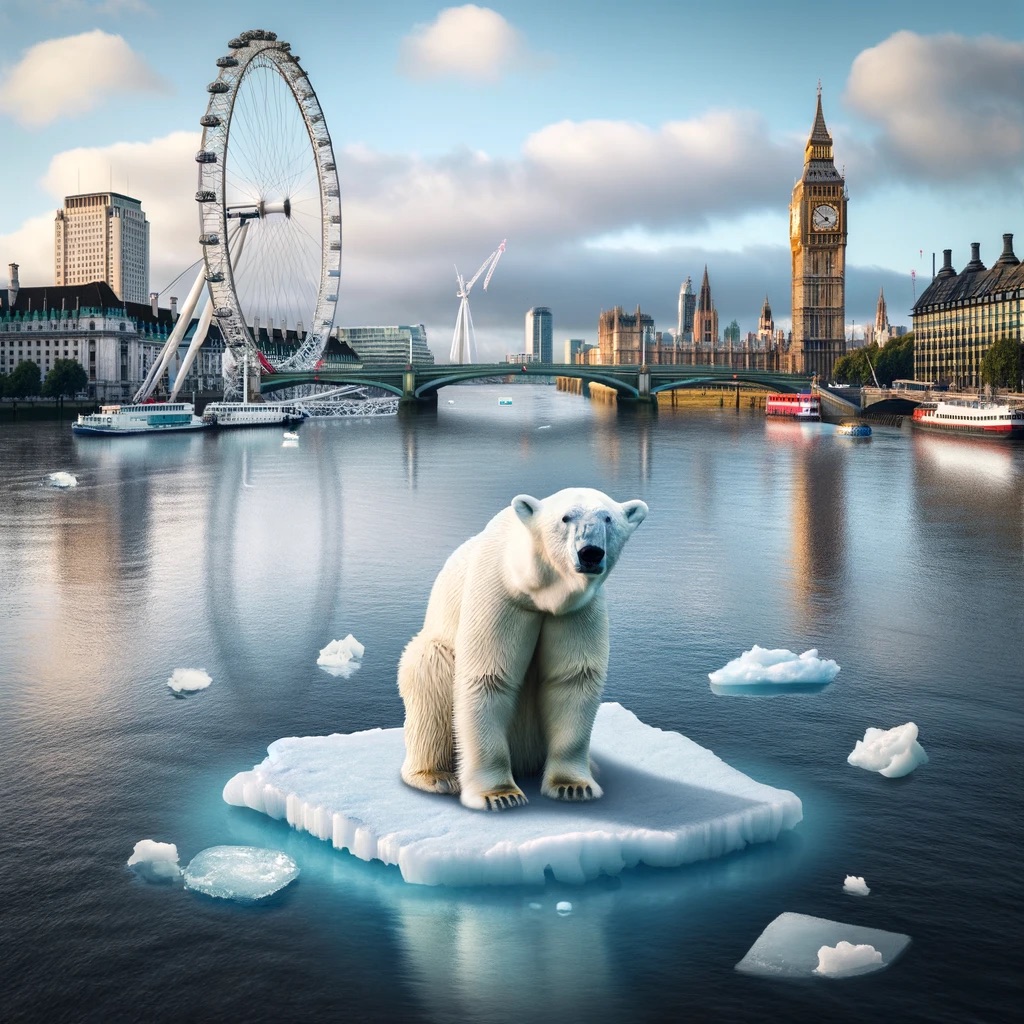
In “The Climate Crisis: Through Nature’s Eyes and Echoing Maxwell Knight,” we examine the current climate crisis, drawing parallels with the early environmental warnings of Maxwell Knight. The post delves into the multifaceted nature of the climate emergency, including biodiversity loss and extreme weather events, as highlighted by the WWF Living Planet Report 2022. It…
-
Maxwell Knight: A Visionary in Environmental Protection

Today, we delve into the fascinating world of Maxwell Knight – an unsung hero in the history of environmental conservation. Known predominantly for his enigmatic role in MI5 and as the inspiration for Ian Fleming’s “M”, Knight’s true passion lay in the quiet, observant world of natural history. Born in the early 20th century, a…
-
Echoes of the Past: Learning Conservation from Maxwell Knight
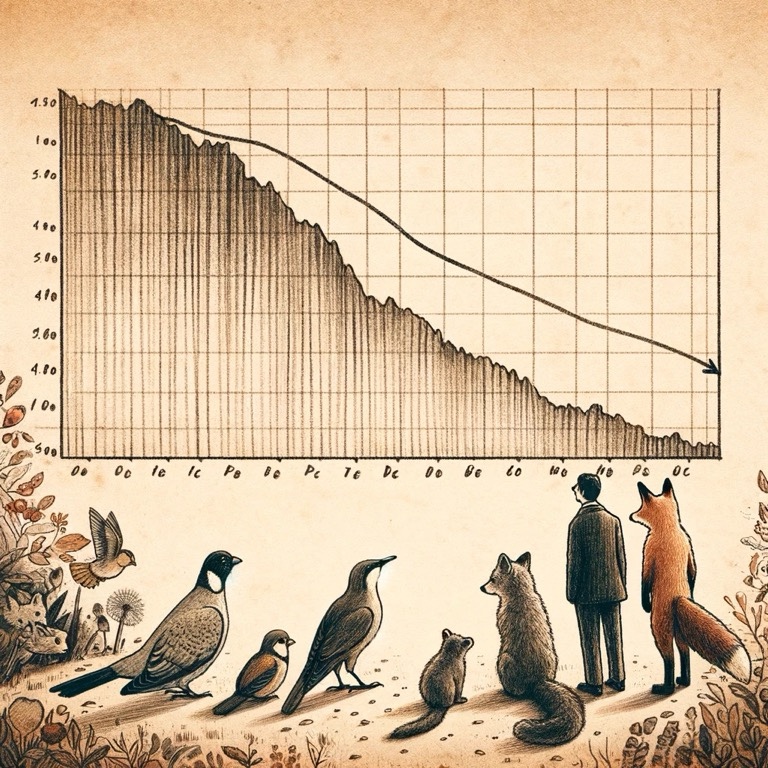
What can a spy teach us about nature? In the echoes of history, we often find timeless wisdom. This is particularly true when we revisit the legacy of Maxwell Knight OBE, the legendary ‘Nature Detective’ and MI5 spymaster. Knight, a figure who intriguingly straddled the worlds of espionage and natural history, left behind a legacy…
-
The Camberley Natural History Society (CNHS)
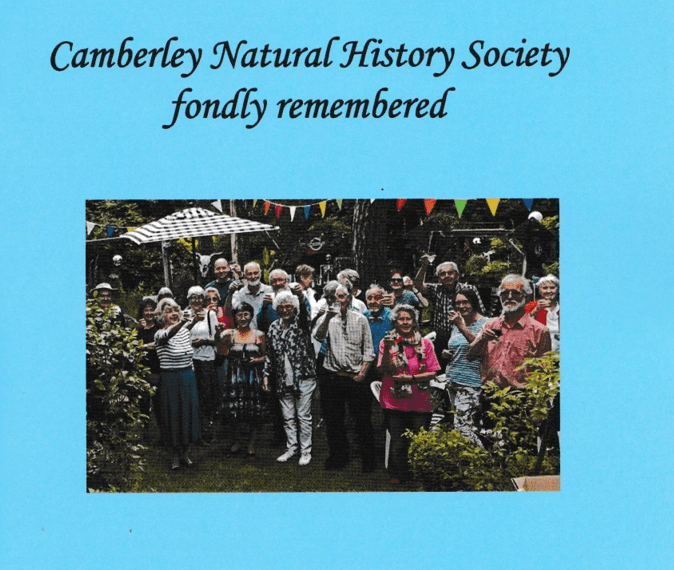
Memories of the Camberley Natural History Society By John E Cooper It was on 1st December 2022, in a message from Dr Pat Morris, that my wife Margaret and I learned with sadness that there was to be an Extraordinary General Meeting (EGM) of the Camberley Natural History Society (CNHS) on 16th January 2023. The…
-
London Zoo. The old Reptile House

Recollections and requiem; a farewell visit to the London Zoo Reptile House John and Margaret Cooper Many readers will have visited the Reptile House at the London Zoo. Designed by Joan Beauchamp Procter and Sir Edward Guy Dawber, it was opened in 1928 and for decades provided both a home for, and an insight into,…
-
Here in Germany, we do watch a lot from our windows
Written by John F. Burton in Germany, who knew and worked with Maxwell Knight: Thank you very much for your kind email and your inspiring internet (FFON) piece, which we enjoyed reading. Here in Germany, we do watch a lot from our windows (passing White Storks, Grey Herons, Cormorants, Buzzards, Sparrowhawks, Goshawks, Jays, etc.) and…
-
Tales from the Riverbank

By Helen Jeffries – FFON’s London Correspondent. Having unexpectedly got an extra day off on Easter Monday I set out in the freezing cold for a bracing walk along the Thames – across one bridge, along the Embankment, back across the bridge, and so home. While still on the bridge I saw two male mallards…
-
FFON Co-founder, John Cooper presented with the BFC Silver Falcon Award

FFON co-founders, John and Margaret Cooper recently attended the BFC (British Falconers’ Club) meeting in Hungerford, held at “The Bear Hotel”. At the dinner in the evening John was presented with the BFC Silver Falcon Award for his work on the diseases and veterinary care of raptors over many decades. John was first introduced to the world…
-
If only we could race for space for nature

Maxwell Knight mentions the space race in his unpublished manuscript The Frightened Face of Nature and here’s a poignant quote from the same document: Knight’s point was that man should explore; however, why can’t we do these things without destroying natural capital? It’s right to celebrate the Moon landing – 50 years ago, Apollo 11…
-
BIRD GARDENING – HOW DID IT START?

Knight the pioneer: How did ‘bird gardening’ become established in British life? Simon King reveals its origins in the ideas and writing of the famous WW2 spy catcher – none other than Maxwell Knight. The practice of putting out food for birds in gardens is more popular now than ever before, with more than half…
-
How did ‘bird gardening’ become established in British life?
-
M’s (Maxwell Knight) Spectre: The Frightened Face of Nature
During the 1960s Maxwell Knight – the real-life “M” – was working on a manuscript entitled The Frightened Face of Nature, snatching brief moments to record his thoughts on how man had treated nature so unfairly for the first fifty years of the twentieth century. The manuscript documented Knight’s greatest fears that, time was running…
