
-
The Heart of Our Oceans: Preserving Marine Biodiversity

Today, let’s embark on an aquatic odyssey to explore and protect our vast, pulsating oceans. These mysterious blue realms, brimming with a symphony of life, are Earth’s lifeblood, yet they stand at a critical juncture due to human influence. 1. The Oceans’ Diverse Tapestry: Covering over 70% of Earth’s surface, our oceans are home to…
-
Simple Steps Towards a Greener Tomorrow

Hello, friends! Today, we’re jumping into how each of us can contribute to a brighter, more sustainable future. As we sip our morning cuppa and Boxing Day behind us, let’s ponder some easy yet powerful actions, buoyed by the inspiring work of various UK organisations dedicated to nurturing our planet. 1. Reject Single-Use Plastics: Embrace…
-
Triumphs in Conservation: Stories of Hope and Renewal

In the midst of pressing environmental challenges, it’s crucial to remember that positive change is not just possible, but happening. Today, we shine a light on the inspiring conservation success stories from around the globe – tales of resilience, renewal, and hope. The Return of the Bald Eagle: The bald eagle’s recovery is a celebrated…
-
Maxwell Knight: A Visionary in Environmental Protection

Today, we delve into the fascinating world of Maxwell Knight – an unsung hero in the history of environmental conservation. Known predominantly for his enigmatic role in MI5 and as the inspiration for Ian Fleming’s “M”, Knight’s true passion lay in the quiet, observant world of natural history. Born in the early 20th century, a…
-
Echoes of the Past: Learning Conservation from Maxwell Knight
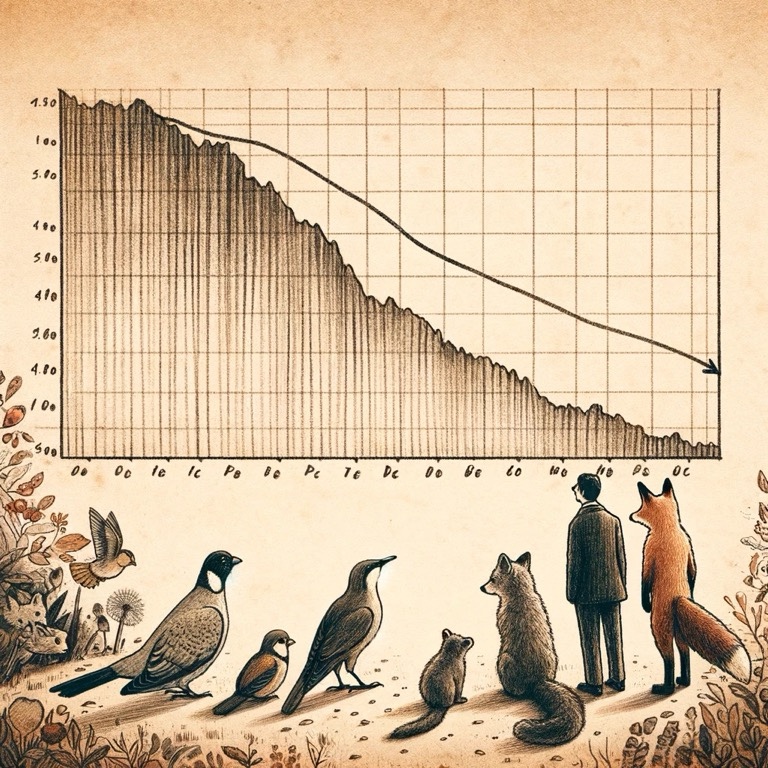
What can a spy teach us about nature? In the echoes of history, we often find timeless wisdom. This is particularly true when we revisit the legacy of Maxwell Knight OBE, the legendary ‘Nature Detective’ and MI5 spymaster. Knight, a figure who intriguingly straddled the worlds of espionage and natural history, left behind a legacy…
-
ARTIFICIAL INTELLIGENCE

AI Key Takeaways from the Musk-Sunak Dialogue at Lancaster House. AI’s reach is beyond anything we can possibly grasp, which is why I (Simon King) feel it’s important to create discussions about AI and how it can be used for the greater good. If you missed the Musk-Sunak coverage on TV, here’s a brief summary…
-
The Camberley Natural History Society (CNHS)
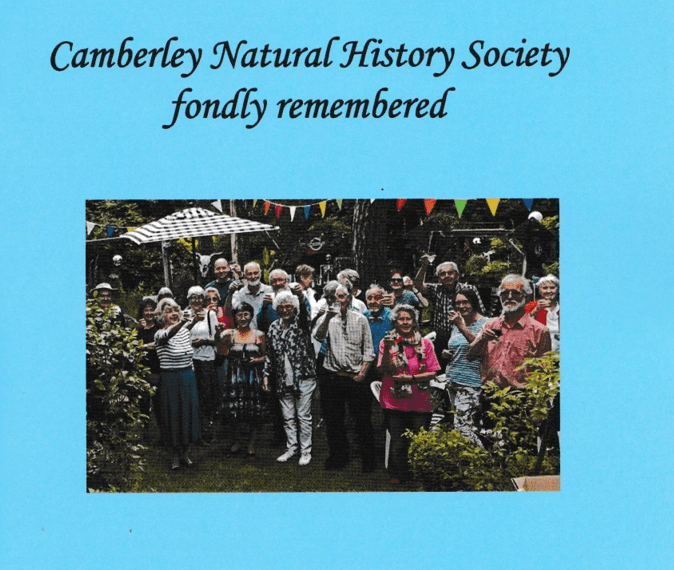
Memories of the Camberley Natural History Society By John E Cooper It was on 1st December 2022, in a message from Dr Pat Morris, that my wife Margaret and I learned with sadness that there was to be an Extraordinary General Meeting (EGM) of the Camberley Natural History Society (CNHS) on 16th January 2023. The…
-
Report on Cooper visit to Kenya, March-April 2023
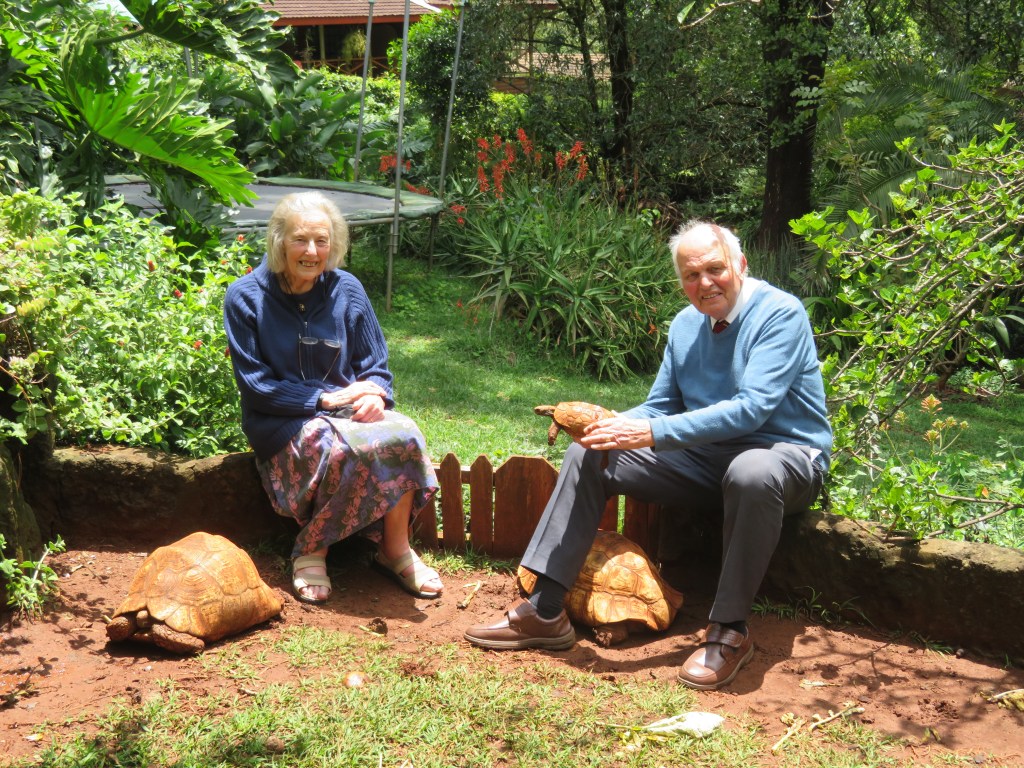
Introduction We flew back from Kenya, East Africa, on Tuesday 18th April after a seventeen-day visit together, Kenya is, of course, our “nyumba ya pili” (second home), in which our children were born in the 1970s and where we have spent happy years together. We had a very good time and were able to catch…
-
New podcast from Naturespace with Haith’s and Simon King: Paul Rose – explorer, polar expert and broadcaster.
Paul Rose’s journey from a Romford council flat to Base Commander of Rothera Research Station, Antarctica, for the British Antarctic Survey for ten years and being awarded HM The Queen’s Polar Medal is an inspirational one, which he happily shares with young explorers in his role as Expedition Leader, National Geographic Pristine Seas. Not every…
-
London Zoo. The old Reptile House

Recollections and requiem; a farewell visit to the London Zoo Reptile House John and Margaret Cooper Many readers will have visited the Reptile House at the London Zoo. Designed by Joan Beauchamp Procter and Sir Edward Guy Dawber, it was opened in 1928 and for decades provided both a home for, and an insight into,…
-
Nature and Autism
Originally posted on Autistic Civil Servant: It’s well known that a love of animals and the natural world often go together with autism – many of the most famous autistics have made their careers working with animals from Temple Grandin, through Chris Packham to Dara McAnulty. My friend Simon King FLS was kind enough to…
-
Podcast: The connection between nature and autism
Brought to you by the “Naturespace with Haith’s” podcast team and guest – Dr Helen Jeffries (who is also a contributor to the FFON blog). You can watch and listen to the podcast – Helen will explain why that’s important to people with autism. If you’d rather download the podcast, you can do so via:…
-
NEW Podcast for nature detectives: Naturespace with Haith’s.
Download the podcast at https://anchor.fm/haiths or search Naturespace with Haith’s on your favourite podcast platform. Nature affects everything – our economy, social framework, health and existence. The natural world is infinite: the animals, rivers & oceans, the food we eat, the rainwater irrigating crops and the air we breathe. Nature is struggling; there is no…
-
VISIT TO KENYA, September-October 2022
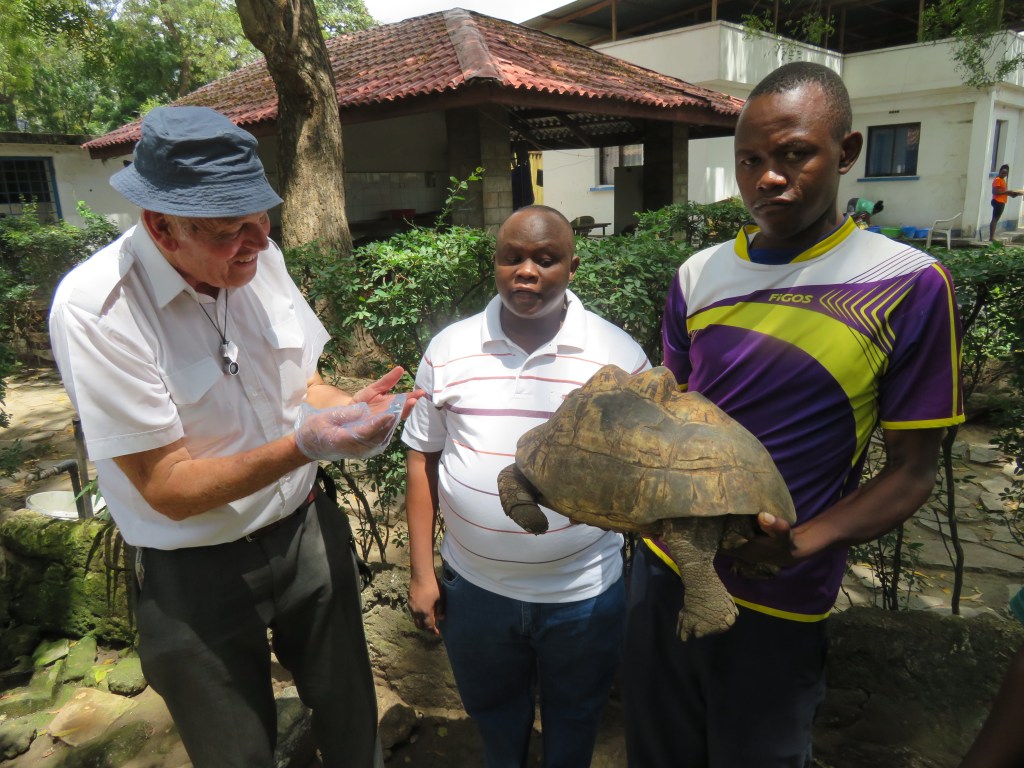
By John E Cooper 12th October 2022 I returned on Friday, 8th October from my visit to Kenya. Margaret and I were last in East Africa two-and-a-half years’ ago, just before the SARS- CoV- 2 (“Covid-19”) pandemic and lockdown. For much of my “safari” in Kenya I was accompanied by our friend and colleague Professor Charles…
-
Hummus in Space

By Dr Valerie Jeffries FLS Undeterred by the loss of astronaut tardigrades spilt on the Moon when their 2019 Beresheet spacecraft crashed, the same team has switched to edible plants, with their Space Hummus Experiment. The basis of Hummus, a delicious internationally popular and highly nourishing food, is the Chickpea. Chickpeas come from the Middle…
-
Nothin’ Fancy
by Susan Underkoffler Experiencing nature doesn’t have to be extravagant or involved or even planned; it doesn’t have to involve packing bags and gathering the “right” clothing or driving hours away to a huge nature reserve or forest. It needn’t involve anything but time and curiosity, really. The smallest of excursions outdoors can result in…
-
Cautionary Tales by Valerie Jeffries

Pandemic Errors NATURE QUOTE OF THE DAY Monday 4th Oct 2021 (Unattributed) from Nature magazine: “Droplets and surfaces are very convenient for people in power — all of the responsibility is on the individual. On the other hand, if you admit it is airborne, institutions, governments and companies have to do something.” Units, droplets, and…
-
The Earthshot Prize

I’ve just been listening to Prince William talking about the Earthshot Prize – it sounds certain to be ‘the most ambitious and prestigious of its kind – designed to incentivise change and help to repair our planet over the next ten years.’ – https://earthshotprize.org The Earthshot Prize is ‘taking inspiration from President John F. Kennedy’s…
-
Maxwell Knight: Nature detective, MI5 agent, and supporter of the veterinary profession.

To coincide with James Bond returning to the screen in what will be Daniel Craig’s final outing as 007 with the eagerly-awaited ‘No Time To Die’, we’d like to share a piece published in the careers section of the Vet Record (25th September 2021) highlighting that Maxwell Knight was an enthusiastic supporter of the veterinary…
-
Re-Introducing Extinct Wildlife into England

By Graham Wellstead. The Countryside Alliance recently published news that Defra are signalling opportunities for the re-introduction of a number of species, including beaver, Scottish wildcats and golden eagles. A task force has been set up by Natural England to look at the return of species which have been lost. The draw of bringing back animals…
-
Part 3: Primitive and Complex (and crème brûlée)

By Dr Valerie Jeffries FLS. Exploration of the Solar System looking for evidence of habitability is about ‘primitive life’, with no expectation of anything beyond tiny bacterial-style cells, possibly with viruses. Single-celled life forms ruled Earth for 1.5 billion years before the evolution of bigger modern cells, and in terms of total biomass they still…
-
Part 2: Promising planets, Dry worlds, and Water-bears

By Dr Valerie Jeffries FLS Language of Life The term ‘Earthlife’ acknowledges that all life we know uses the same universal coding system to read its DNA. The way it translates DNA into bodies is amazingly neat, but uses a ‘language’ that’s arisen by chance. When humans first made words with meanings, two tribes on opposite continents would…
-
Norfolk Nature Notes, May 2021
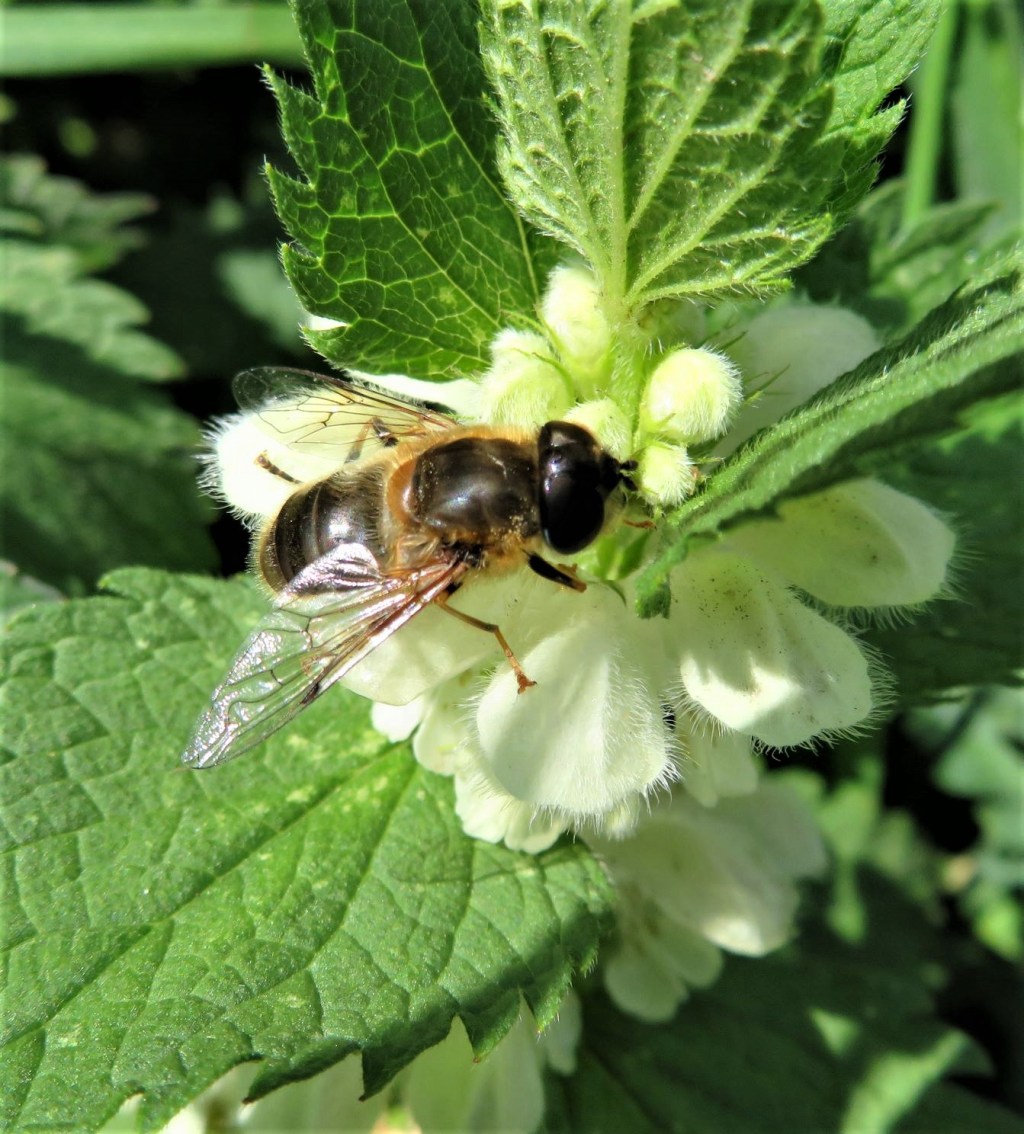
By John and Margaret Cooper It is May and spring is progressing apace here in West Norfolk. During the past week we have had periods of sunshine, alternating with light rain. John goes out most days on his bike. On the local lake (Figure 1) there are currently young geese, greylag and Canada, with their…
What will you do now that you know?
The Frightened Face of Nature is a space for slowing down.
Maxwell Knight (1900–1968) is known in some circles for his work in intelligence (MI5), but that’s not really why his name appears here.
Long before ‘the environmental crisis’ became a headline, Knight noticed something many around him overlooked: nature was on the back foot.
It was his love of animals and the natural world, not his professional career, that made him pay attention.
Knight’s life, anchored in curiosity, observation, and attention to detail offers a way to think about how we see the world, and how easily we can stop seeing it at all.
The Frightened Face of Nature takes its name from an unpublished manuscript he wrote, which was found inside a secret cabinet.
Here, we explore stories and questions that don’t fit neatly into clickbait headlines — not because they aren’t urgent, but because they are complex and demand more than fleeting attention.
Knight’s perspective reminds us: Awareness isn’t passive. It’s an active choice.
So what will you do now that you know?
— Simon King FLS


